

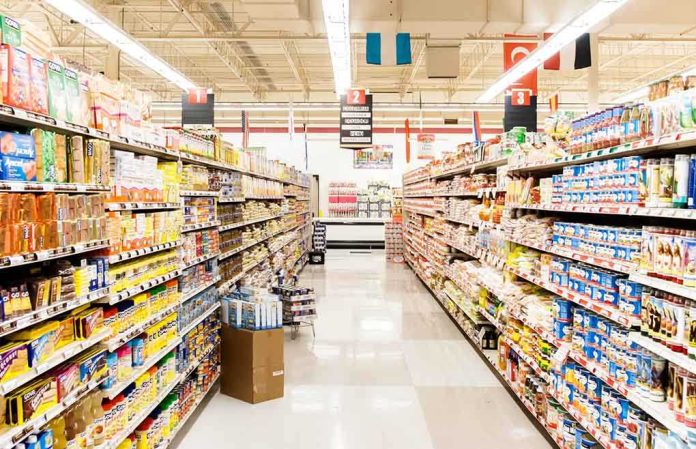
Zohran Mamdani’s city-run grocery plan is moving forward with a new twist: shoppers may need an ID card to buy the discounted food.
Story Snapshot
- The city says its five new municipal grocery stores will sell a core basket of staples at 30 percent below typical retail prices.
- Officials say the goal is to keep the discount focused on New Yorkers and stop abuse, including resale.
- The program would use a free membership-style card, described by one official as “library card-esque.”
- The plan has already drawn sharp criticism from opponents who see it as another example of government overreach.
ID Checks Become Part of the Grocery Plan
New York City officials say the planned municipal grocery stores will require some form of identification to buy items at the discount. Jeanny Pak, the interim president and chief executive officer of the New York City Economic Development Corporation, said the city is looking at a free card system so the program stays focused on local shoppers. Mamdani said the request for proposals makes clear the stores are meant for New Yorkers, not resale.
Officials said shoppers would not be barred from entering the stores without a card, but they would need one to make purchases. The city has not yet explained exactly what proof will be needed to get the card or how residency will be checked. That leaves an important practical question unresolved, even as the administration moves ahead with a plan that mixes food subsidies with tighter access rules.
Discounts Aim to Cut Grocery Bills
The broader plan still centers on lower prices. The city says a core basket of everyday groceries will be 30 percent cheaper at the five stores, with the discount covering fresh produce, meat, seafood, and about 20 additional staple categories. Officials say the savings would be available to all shoppers, regardless of income, and could reduce the average grocery bill for New Yorkers by about 15 percent.
Supporters say that setup could help families in neighborhoods that struggle with high food costs and limited access to full-service supermarkets. The city also argues that stable, predictable prices may matter as much as the size of the discount itself. But the program is still a proposal, and the public has not yet seen whether it can deliver the promised savings at scale.
Critics Warn About Control and Distortion
The new ID requirement fits a larger debate over whether government-run retail can solve food-price pressure without creating new problems. Critics argue that city ownership, public subsidies, and membership-style rules could distort the market and put local grocers at a disadvantage. Reporting on the plan has already noted pushback from small store owners and other opponents who fear the stores will pull business away from existing shops.
NYC Mayor Zohran Mamdani's administration is moving forward with five city-owned grocery stores, one per borough. Grocery prices will be priced 30% below typical retail, locked monthly. The city has allocated $70 million in capital funds from the taxpayer-funded budget to build… https://t.co/3MAn2yKnl3
— coltswalker (@coltswalker) August 3, 2026
The political reaction has been just as sharp as the policy debate. Opponents have framed the grocery stores as a test of socialist governance, while supporters describe them as a practical answer to expensive food and neighborhood shortages. The ID card element adds a second layer of controversy because it turns a basic food program into a controlled-access system, even as the city insists the goal is simple: keep discounted food in the hands of New Yorkers.
Sources:
twitchy.com, nyc.gov, washingtontimes.com, npr.org, forbes.com, nypost.com