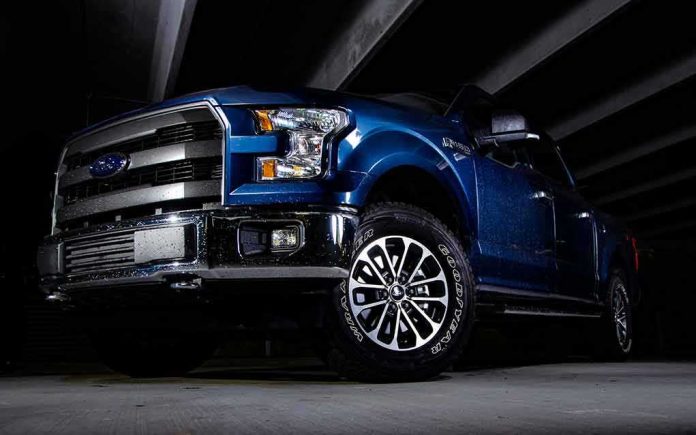
Americans are steering $15 billion into keeping old pickups alive, not into dealer lots.
Story Snapshot
- Pickup upgrades and repairs form a $15 billion aftermarket slice, signaling a shift.
- The average vehicle age hit 12.8 years, pushing more maintenance and parts demand.
- Used pickup markets are growing as buyers dodge high new-truck prices.
- Older trucks cost more to fix per mile but still beat steep monthly payments.
Older Pickups Are Becoming a Spending Magnet
Car owners are choosing wrenches over warranties. Pickup owners in particular are pouring money into modifications and repairs. One mainstream auto outlet estimates pickup-focused aftermarket sales at about $15 billion, or roughly 30 percent of the total car aftermarket. That does not mean everyone is lifting suspensions and adding chrome. It often means brakes, steering parts, and engine work to stretch years of use. When trucks last longer, every belt, bearing, and bushing gets its turn.
New-truck prices are the anvil on this choice. Sticker shock, higher interest rates, and richer trim packages push many buyers away from the showroom. Holding a paid-off truck feels safer than a $1,000-a-month note. That logic extends beyond hobbyists. Small contractors, ranchers, and homeowners see repair bills as known hits, not risky debt. The decision fits a conservative instinct: fix what you own, avoid waste, and demand value for every dollar.
America’s Fleet Is Aging, And The Math Favors Maintenance
Vehicle age keeps climbing. Reports place the average vehicle on U.S. roads at 12.8 years, a fresh high that loads the service bays with older metal. Federal analysts tracked this pattern years ago, when households started holding cars and trucks longer after the last downturn. More age equals more maintenance, plain and simple. Every extra year adds routine service plus wear-item replacements. Shops that stock common pickup parts are busy because the market now skews old and useful, not new and optional.
Commercial data lines up. Fleet benchmarking shows vehicles over ten years old eat bigger slices of maintenance budgets, forcing tighter planning and more downtime. That finding does not scare off private owners. A homeowner with a weekend truck can wait out a repair. A plumber with two trucks can keep one on the road while the other is in the shop. For many, that flexibility beats the higher insurance, taxes, and payments of a new rig.
Used-Truck Demand And Aftermarket Growth Feed Each Other
Used pickup demand is not a fad. Industry research values the North American used pickup market at over $17 billion in 2024, with steady growth expected through the next decade. When more people buy used, more people buy parts. The cycle is tight and predictable. A ten-year-old half-ton needs tires, shocks, fluids, and sometimes driveline work. That spend goes to local garages and parts counters, not to factory options. Local economies benefit when repair dollars circulate on Main Street.
Some warn that older trucks can be money pits. Certain models post higher ten-year upkeep than rivals, and big heavy-duty rigs can rack up serious repair tabs. Those claims are fair on a case-by-case level. But as a system, the repair path still clears the bar for many owners when new prices soar. The key is selection and inspection. Buying the right year, checking service records, and budgeting preventive work tip the odds in the owner’s favor.
What This Signals About Values And The Road Ahead
The $15 billion pickup aftermarket slice signals more than tight wallets. It shows loyalty to tools that work and skepticism toward bloat. Many buyers want trucks, not rolling touchscreens. They want control over costs and features. That mindset echoes classic American conservative values: thrift, durability, and self-reliance. Keep what you earn. Fix what breaks. Say no to forced upgrades that do not serve the job at hand. Markets listen when that many people vote with their money.
Expect the trend to hold while new-truck prices stay high and tech stacks stay complex. Expect more cottage industries around rust repair, engine refreshes, and bolt-on upgrades. Expect shops to stock deeper on common pickup parts and train techs on old-school skills. If automakers want to win back these buyers, they will need simpler trims, clearer value, and transparent costs. Until then, the lift bays will stay full, and those old pickups will keep hauling America forward.
Sources:
military.com, endurancewarranty.com, msn.com, moneydigest.com, thedrive.com