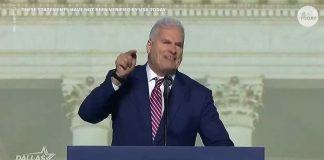
A high-profile defense lawyer asked President Trump for a pardon that the Constitution does not allow in this state case.
Story Snapshot
- Defense attorney Kevin Reddington publicly urged President Trump to pardon Lindsay Clancy after a mistrial.
- The judge declared a mistrial when jurors could not agree on a verdict in the Massachusetts case.
- Presidential pardons cover federal crimes, not state offenses like those charged here.
- The request highlights confusion about mistrials and clemency limits in America’s justice system.
Attorney’s Televised Pardon Appeal After Mistrial
Kevin Reddington, who represents Lindsay Clancy, asked President Trump on national television to consider a pardon for his client. He made the plea during a Good Morning America interview days after Clancy’s trial ended without a verdict. Reddington said the President should weigh her hardships and the deadlocked jury. The public ask was unusual because pardon petitions are usually written and handled through formal channels, not live television segments.
A Massachusetts judge had declared a mistrial after jurors reported they could not reach a unanimous decision. A mistrial means the proceeding ends without a binding result. The charges remain, and the case can often be tried again. The court’s transcript shows the judge stating the jury was deadlocked and that a mistrial would be entered. Prosecutors and the defense now face a choice about retrial, talks, or other motions under state law.
Why a Presidential Pardon Cannot Reach This Case
Reddington’s appeal runs into a clear legal wall. The Constitution limits presidential pardons to “offenses against the United States,” which are federal crimes. The Department of Justice also states the President cannot pardon state offenses. Clancy’s charges were brought by Massachusetts authorities under state law, so only state actors, such as the governor or a pardons board, can grant clemency in this matter, not the White House.
Legal guides from Congress and leading legal groups have long described this boundary. Analysts note the pardon power is broad but does not intrude on state proceedings. Courts have upheld the separate sovereignty of state and federal systems. That means a President can erase or reduce federal criminal punishment, but cannot alter state prosecutions, convictions, or sentences. The rule protects federalism and prevents cross-branch overreach.
Mistrial Myths, Mental Health Claims, and Public Pressure
Public debate around mistrials often slides into claims of guilt or innocence. A mistrial does not decide either one. It signals that the jury could not agree, nothing more. Prosecutors may retry the case, seek a plea, or drop charges based on evidence and public interest. Defense teams may use the pause to press for better terms or raise mental health defenses more sharply next time, but the legal posture remains open.
Governor Maura Healey declined to say whether she would pardon Lindsay Clancy after the Duxbury mother's attorney made a public appeal to President Trump to pardon his client. https://t.co/lBdwzszfUG
— The Boston Globe (@BostonGlobe) September 8, 2026
The attorney’s direct plea to President Trump also taps a wider pattern. High-visibility cases now mix televised advocacy, mental health narratives, and confusion about which office holds what power. Many Americans see a justice system that is hard to navigate and uneven in outcomes. Some distrust state prosecutors; others distrust Washington. Clear rules on pardons exist, yet the public stage often blurs lines and raises expectations the law cannot meet.
Sources:
nypost.com, abcnews.com, abc7.com, npr.org, abc7news.com