
Iran’s currency collapse, runaway prices, and fuel strain have converged into a crisis that its own leaders now warn could spark wider unrest.
Story Snapshot
- The rial fell to record lows near 2.2 million per United States dollar as inflation neared 70%.
- President Masoud Pezeshkian publicly warned that pressure could fuel division and unrest.
- Reports describe fuel shortages, strikes by drivers, and trade drops hitting imports hardest.
- Sanctions and limited dollar access have tightened the squeeze on Iran’s economy.
Currency Slide Reaches New Lows
Reuters reported the Iranian rial hit repeated record lows in late August and early September 2026, trading above 2.2 million per United States dollar on the open market. The outlet said the currency had lost more than half its value since last year. Such a drop raises the price of imports and basic goods. It also drains family savings fast. Currency falls of this size often kick off a cycle of higher prices and more panic buying. That risks deeper social strain.
Official figures cited in the same report put the 12‑month average inflation rate at 69.9 percent, with food, drinks, and tobacco prices rising at nearly twice that pace. Households feel that first in grocery lines. Families cut meals, delay medical care, and stop non‑essential travel. When daily life turns into triage, anger tends to rise across all groups, not just among the poor. That mix of lost savings and price spikes has fueled protest waves in Iran before.
Leaders Acknowledge Pressure and Public Risk
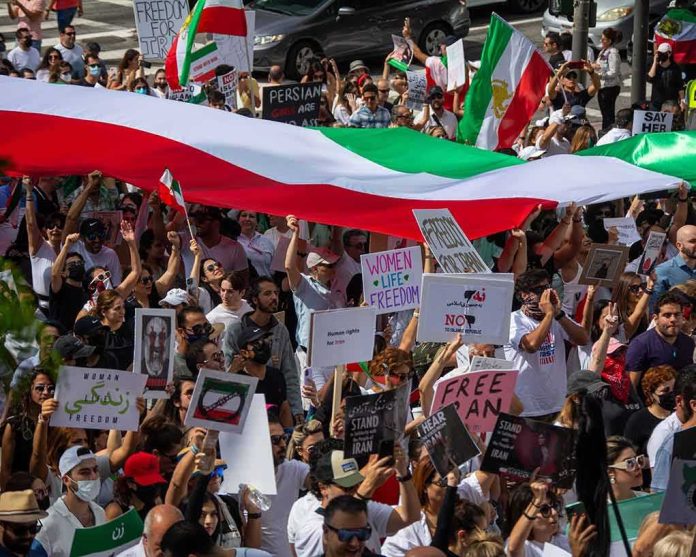
President Masoud Pezeshkian addressed the nation’s strain and warned about unrest, saying enemies use war, blockade, and sanctions to create division inside the country. That message shows the government knows how fragile the moment is. Public remarks at this level often aim to rally unity and calm markets. They also signal the state is bracing for protest. When leaders speak openly about the danger of unrest, they are telling citizens that the system feels real stress.
Reuters described a squeeze that goes beyond exchange rates, including fuel trouble and shrinking trade. One senior source told the outlet that Iran had only two months of gasoline supply left, despite strong oil output, due to limited refining capacity and import needs. Total trade reportedly fell between 25 percent and 35 percent, with imports hit hardest, according to Pezeshkian. When imports fall that sharply, factories miss parts, shops go bare, and transport costs jump. That feeds another turn of the inflation wheel.
Fuel Shortages, Strikes, and Daily Disruption
Reports and commentary highlighted labor actions tied to fuel stress and rising costs, including truckers at the Mehran border crossing and Bandar Abbas port who staged strikes or threatened stoppages. Taxi and ride‑share drivers also protested smaller monthly fuel quotas and higher prices after quotas ran out. These are the workers who move food and goods. When they stop, shelves thin, prices go up again, and small towns feel cut off. That is how a fuel issue becomes a kitchen‑table crisis.
The President’s Daily Brief summary also linked unrest to a policy that doubles gasoline prices once subsidized quotas are exhausted. Price shocks after a quota runs out hit lower‑income drivers first. They often work with thin margins and little savings. Even a short pause in their earnings can break a family budget. When many drivers reach that breaking point at once, stoppages can spread fast through logistics hubs and border gates. That compounds supply problems already driven by the weak rial.
Sanctions Pressure and Limited Dollar Access
Reuters tied the currency crash and import strain to secondary sanctions that limit access to dollars and external financing. When a country cannot get hard currency, it struggles to buy parts, medicine, and fuel from abroad. That shortage then pushes the exchange rate lower, since more people chase fewer dollars. Academic and policy work has long found that sanctions on Iran worsen exchange‑rate swings, raise inflation, and lower growth, which lines up with current events.
Euronews and other outlets also reported the rial’s freefall in early September, reinforcing the picture of a fast‑moving slide. While exact exchange levels vary by day and market, all accounts agree on the direction. Together, the currency dive, near‑70 percent inflation, fuel strain, and worker protests describe a single story: basic systems are wobbling. For Americans watching abroad, this is a reminder of how fragile economies can get when money loses value, energy costs rise, and trade slows. It is also a warning about what happens when leaders wait too long to fix root problems.
Sources:
redstate.com, en.wikipedia.org, aljazeera.com, roic.ai, reuters.com, euronews.com