
A U.S. Air Force service member died after a fall during a pregame rappelling demonstration at San Antonio’s Alamodome, underscoring safety gaps when high-risk military displays meet large public events.
Story Snapshot
- The Air Force says the airman died at a local hospital after the fall.
- The service member was assigned to the 6th Combat Training Squadron, Detachment 2.
- The Air Force confirms the incident remains under investigation.
- Military “mishap” investigations often limit public detail during safety reviews.
Confirmed Facts From Air Force And Stadium Scene
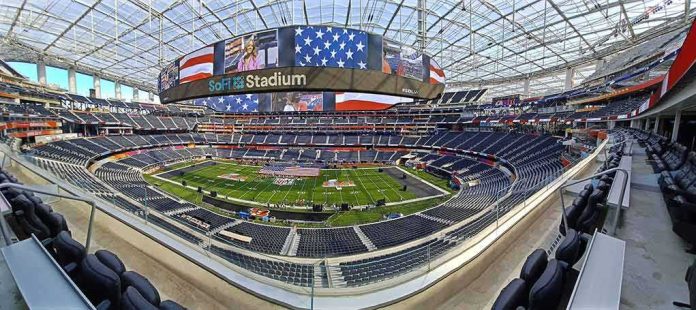
Nellis Air Force Base Public Affairs reported that a service member fell while attempting to rappel from the Alamodome rafters before the University of Texas at San Antonio game against Navy. The Air Force said the airman was taken to a local hospital and later died. The statement added that the incident is under investigation. Outlets citing the base identified the unit as the 6th Combat Training Squadron, Detachment 2.
Local and national outlets described a pregame demonstration involving multiple service members preparing to descend from the stadium roof. The fall happened shortly before kickoff and in view of fans and players. University officials shared condolences and acknowledged that students, staff, and fans might be affected by what they witnessed at the game. The Air Force did not release the airman’s identity at this time, pending notifications and investigative steps.
What The Investigation Means And Why Details May Be Limited
The Air Force treats deadly accidents as “mishaps” that trigger formal safety inquiries. Those safety investigations use privileged information to find causes and prevent future losses. By policy, safety reports and much of the underlying analysis are restricted from public release. That system can slow the flow of detail, even after a high-profile event, because investigators protect interviews and technical data to improve safety across the force.
Officials can still release some facts through public affairs during an active safety review. Public updates tend to confirm the basics, like the time, place, unit, and whether an injury or death occurred. More complex questions—about equipment, procedures, supervision, or training—usually wait for formal findings. That process is meant to fix root causes, not assign public blame, which explains why early statements are brief and careful after a tragedy like this one.
Public Demonstrations, Real Risk, And Shared Concerns
Military demonstrations try to honor service and show real skills to the public. Rappelling from stadium rafters adds spectacle, but it also adds risk. This death highlights a tension that many Americans feel. People want to honor troops and teach the next generation about duty and courage. People also want clear safeguards when the government brings hazardous displays into civilian spaces where families gather for sports.
"US Air Force Service Member Dies After Falling 150 Feet During Pregame Rappelling Demonstration at San Antonio's Alamodome"
➡️ A US Air Force service member assigned to the 6th Combat Training Squadron, Detachment 2, based out of Joint Base San Antonio-Camp Bullis, died…
— BreakinNewz (@BreakinNewz01) October 18, 2026
Both conservatives and liberals often worry that institutions shield themselves first and explain later. The Air Force safety system protects data to prevent more deaths, but it can look closed to the public. That can feed the belief that officials protect the system more than people. Transparent, timely facts—released as the rules allow—can help rebuild trust while the service studies what failed and how to keep future demonstrations safe.
Sources:
thegatewaypundit.com, txgazette.com, usnews.com, safety.af.mil