

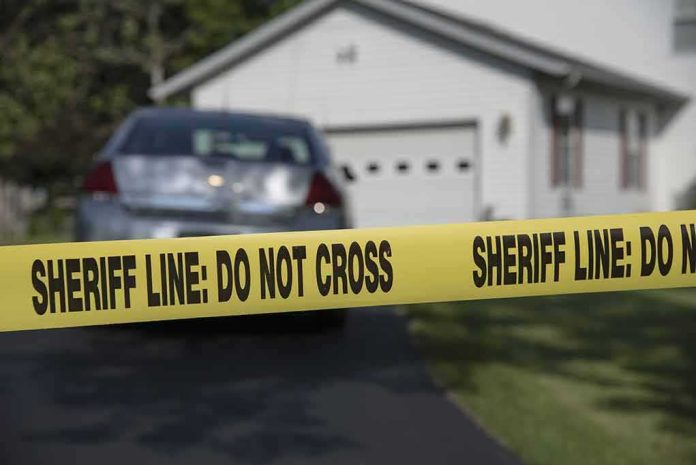
Florida investigators say a uniformed responder to a death scene later used the dead man’s identity and moved into his house.
Story Snapshot
- Arrest affidavit outlines five felony charges against Lauderhill officer Brian Sguros.
- Case began with a 2022 welfare check where Dennis West was found dead.
- Investigators say police databases were used to pull West’s data, including his Social Security number.
- Heirs sold their interest; a buyer found Sguros in the home and alerted authorities.
What Investigators Allege Happened
Lauderhill police officer Brian Sguros faces five felony counts tied to a reported plan to take over the late Dennis West’s home in Broward County. A 21-page arrest affidavit cites official misconduct, using a deceased person’s identification, computer offenses, and unlawful use of a communications device. The affidavit says Sguros first entered West’s life on July 11, 2022, during a welfare check where officers found West dead in his Lauderhill home. That police call anchors the timeline.
Detectives say audit trails show searches for West’s address, date of birth, and Social Security number through systems available to law enforcement. They allege Sguros used that access to collect personal data after the death scene response. Prosecutors also point to later paperwork. Reports say permit files for a 2024 window and door project carried West’s driver’s license and signature, plus a notary stamp the named notary disputes as valid. Those details form key identity and forgery claims.
The Possession Timeline and Paper Trail
Affidavit summaries say Sguros told officials he took possession around August 2022, only weeks after West died, and kept up the property into February 2025. He reported spending at least $214,000 on repairs and upgrades during that span, a figure that mainly reflects his statements rather than audited records. Investigators say he told the medical examiner he was West’s friend and that West had no living family, a claim that conflicts with later action by heirs who held interests in the home.
The property fight surfaced when those heirs sold their interest to a real-estate company, which then found Sguros occupying the house. That discovery triggered a deeper probe into how he entered, what identity records were used, and which permits or filings might have supported his stay. Media accounts say the case now blends identity, computer access, and property-law questions into one criminal charge set.
What The Officer Says In Civil Filings
Sguros’s side appears in civil papers, not yet in a full criminal defense. He says he stepped in to clean, secure, and restore a dangerous, abandoned home to stop crime and squatting, and that he believed his actions were lawful and responsible. He states he did not hide his presence or the improvements. He also claims he arranged West’s funeral services out of compassion and invested more than $200,000 of his own money over about two and a half years.
🇺🇸 A Florida police officer has been charged after allegedly taking over the house and identity of a man he found dead during a welfare check.
Brian Louis Sguros, 35, of the Lauderhill Police Department near Miami, was arrested on 20 October. In July 2022 he was among officers… pic.twitter.com/UQL4XtX6js
— ChaosLensX (@ChaosLensX) October 22, 2026
Those claims do not resolve the identity and database issues. Investigators focus on whether police-only systems were used for personal gain and whether signatures and notarizations tied to West were genuine. The public record available today is heavy on summaries of an arrest affidavit and light on primary documents. Outlets reporting the affidavit have not published the full 21-page file or the original permit packets, notary records, or database logs for independent review.
Why This Case Hits A Nerve
This case taps three wider problems: misuse of government data, loose ends in estates, and confusion between possession and ownership. Across the country, reporters have documented many cases where officers misused confidential databases for personal reasons. An Associated Press review counted hundreds of discipline actions in just a short window, and said the true number is likely higher due to poor tracking. That pattern explains why people across the spectrum worry about insider access being turned against regular citizens.
Florida law sets strict paths for title. Occupying a house, paying for repairs, or filing adverse-possession paperwork does not by itself prove ownership. When heirs exist and sell their interest, their buyer has legal standing to challenge any occupant. That is what reportedly happened here. If the affidavit’s account holds up, it shows how a single official with system access can bend the rules to create a false picture of control over a home. If not, the records should clear it up in court.
What To Watch Next
Court filings will answer open questions. Key items include the complete affidavit and exhibits, database access logs with timestamps and user accounts, full permit files with original signatures and notary records, and any title or probate records. Those documents will show whether identity data was misused, whether signatures were forged, and whether any legal claim to the house ever existed. Until then, the charges are allegations, and the officer is presumed not guilty unless proven otherwise.
Sources:
washingtontimes.com, nbcnews.com, people.com, syracuse.com, fox13news.com