

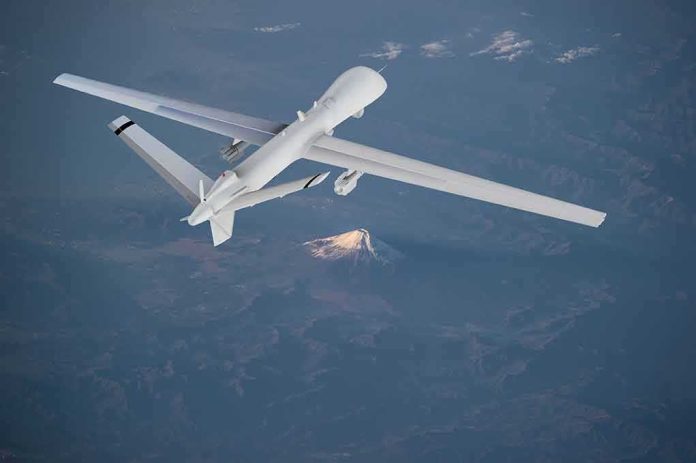
Four U.S. officials say Washington fed intelligence and drones into a Venezuelan strike that left dozens dead near the Colombia border — a secret team-up that raises hard questions about power, accountability, and who gets caught in the crossfire.
Story Snapshot
- U.S. intelligence and drones reportedly supported a Venezuelan strike on an ELN site.
- A local group reported 20–23 dead and more wounded, with figures varying by outlet.
- The site in Apure sits on a known ELN trafficking corridor across the borderlands.
- Neither government gave an official accounting of roles, targets, or casualties.
What reportedly happened in Apure, and who says so
Reports from multiple outlets say Venezuelan forces hit an installation tied to the National Liberation Army near the Colombia border. The New York Times, cited by Spanish-language editions, quoted four unnamed U.S. officials who said Washington provided intelligence and drones for the attack. A local watchdog, Fundaredes, said 20 to 23 people died, with more wounded. Other summaries put the toll at nineteen. The differing numbers show how unclear the early picture remains.
The supposed target sits in Apure, a rural state long used by Colombian armed groups for moving drugs and supplies. Regional reporting describes this area as a logistics hub for the National Liberation Army, which mixes guerrilla control with trafficking routes across the border. Fundaredes described the site as a cocaine distribution center based on interviews with survivors and nearby residents. That detail has not been confirmed by public records or seized evidence so far.
What the U.S. role implies — and what we do not know
The reported U.S. role goes beyond friendly words. It suggests real-time intelligence sharing and providing unmanned aircraft to support a partner’s strike. The accounts do not state who piloted the drones, which U.S. agency authorized the help, or whether the aircraft collected surveillance or fired weapons. Neither Caracas nor Washington released an official statement on the timing, the legal basis, or a casualty assessment. That silence fuels concern across the spectrum about transparency and oversight.
The casualty figures also vary, which invites doubts about what happened. Fundaredes first reported nine bodies taken to San Fernando de Apure, then said more were left at the site and wounded people crossed into Colombia. Other outlets relayed totals of nineteen or twenty-three dead. Without names, roles, and verified records, it is not possible to say how many were National Liberation Army fighters and how many might have been pilots, suppliers, or relatives at the scene.
Why Apure matters, and the stakes for Americans
The border region offers cover, access to markets, and escape routes. Analysts and field research describe a pattern in which the National Liberation Army uses these corridors to tax trade, run contraband, and move cocaine through weak state zones. That makes any strike there a tempting counter-narcotics move. It also raises the risk that civilians are nearby, and that groups could answer with reprisals. Those facts put a premium on careful targeting and fast, credible public reporting when force is used.
Americans on the right and left see a common problem here. Many fear secret deals, selective leaks, and missions done without a clear chain of command or public brief. People want drug cartels weakened. They also want proof that U.S. help follows the law, protects civilians, and serves the national interest. Clear answers on what the drones did, who approved the operation, and who died would help rebuild the public trust that both parties say they value.
Sources:
pjmedia.com, english.elpais.com, faz.net