A Los Angeles judge paused the criminal case of an armed ex-Marine found at President Trump’s golf course to test if he is mentally fit to stand trial.
Story Snapshot
- A judge suspended proceedings and sent Jeanine John Taele to mental health court based on a pretrial evaluation.
- Reports say a competency hearing is set in Hollywood to decide if the case can move forward.
- California rules require courts to halt cases when substantial evidence raises doubt about competency.
- The pause is a legal safeguard about present ability to stand trial, not a ruling on guilt.
What The Judge Decided And Why It Matters
Los Angeles County Judge John Lonergan Jr. suspended the criminal case against Jeanine John Taele and routed him to a mental health court in Hollywood. The decision followed statements Taele made in a pretrial evaluation that indicated he was not mentally fit to stand trial, according to contemporaneous reporting. This type of ruling is not rare. It signals the court sees enough evidence to question present competency, which must be resolved before any trial can proceed under state law.
Local reporting adds that a formal competency hearing is scheduled in Hollywood to decide if Taele understands the case and can help his lawyer. That hearing is the next step. If the court finds he is competent, the case resumes. If not, the court keeps the case on hold and orders treatment aimed at restoring competency. This process ensures any trial is fair and that the defendant can engage with the court and counsel.
What Happened At Trump’s Golf Course
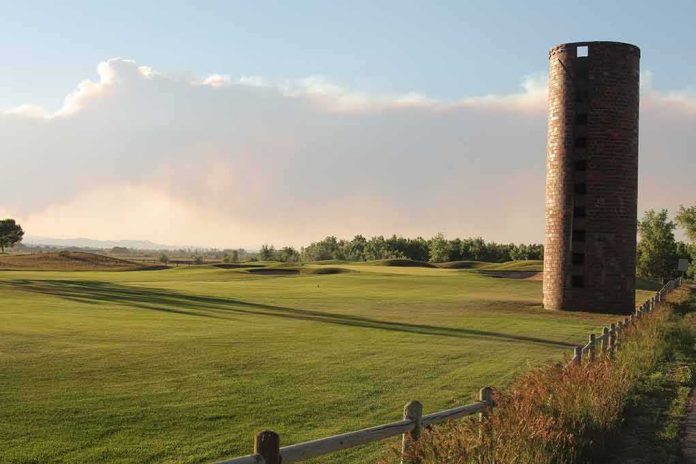
Police arrested Taele at Trump National Golf Club in Rancho Palos Verdes earlier in August. Reports said he had ammunition in his pocket and a loaded gun in his vehicle ahead of a planned visit by President Trump to the area. Earlier coverage from law enforcement said investigators had not identified a credible threat to the community at that time, even as the facts raised serious alarm for many observers. The charges remain paused while the court addresses competency.
Taele pleaded not guilty after his arrest, and his public defender said it was too soon to say how mental health might shape the defense. That stance is common before a competency ruling, because lawyers first need to know if the client can follow the process and assist. Until the court makes that call, the Constitution and state procedure limit what can happen next. The focus stays on present ability, not on guilt or motive.
The Legal Standard And The Bigger Trust Issue
California’s rule is clear: if the judge has a reasonable doubt, based on substantial evidence, that a defendant cannot understand the case or help in their defense, the court must suspend proceedings and order a competency process. Judges often rely on psychologists for evaluations, then hold a hearing. Competency is about the defendant’s current state. It is not a medical diagnosis of the past, nor a verdict on the alleged crime. It is a gate the system must clear before trial.
Justice: Judge suspends charges for gunman arrested at Trump’s California golf course https://t.co/Gj1xzS6mYu
This week, Los Angeles County Judge John Lonergan Jr. suspended the criminal proceedings, sending Taele’s case to a mental health court after the plaintiff’s attorney… pic.twitter.com/8esaEVKr3T
— R C Taylor (@littlenewsnetwk) August 27, 2026
Many readers on the right and left see a deeper worry here: are elites protected while regular people face harsh justice? This case touches that raw nerve. An armed arrest near a sitting president’s venue is no small thing. Yet the law also demands fairness in every case, even the most charged ones. The pause is a safeguard, not a favor. It exists to protect due process and public safety by making sure trials only happen when the defendant can actually stand trial.
Sources:
military.com, cnn.com, kesq.com, nbcnews.com, ksl.com, assets1.cbsnewsstatic.com, publiccounsel.net