When a foreign leader and a big-city mayor trade threats over war crimes and “hate speech,” it exposes just how tangled global anger, local politics, and everyday safety fears have become for ordinary Americans.
Story Snapshot
- Israeli Prime Minister Benjamin Netanyahu says he will still visit New York for the United Nations meetings, despite Mayor Zohran Mamdani’s talk of arresting him over war-crimes claims.
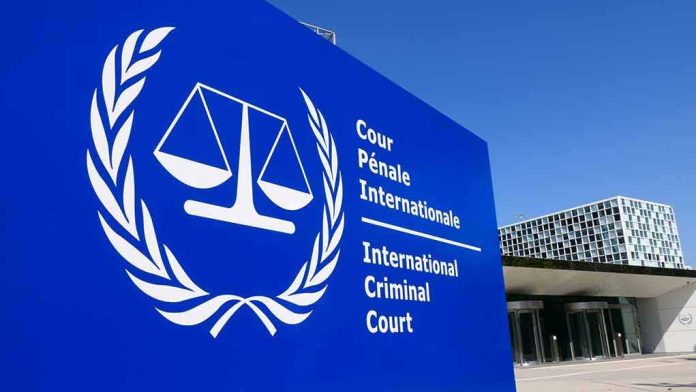
- Netanyahu accuses Mamdani of “fomenting hate” and calls the International Criminal Court warrant against him “bogus,” saying the mayor is trying to turn New Yorkers against each other.
- Mamdani has walked back his personal power to arrest Netanyahu, admitting the city lacks legal authority, but he still urges the federal government to act and calls Netanyahu a war criminal.
- The clash highlights how legal language and moral outrage are being used as political weapons, while real questions about law, security, and community safety get pushed to the background.
Netanyahu vows New York visit and hits back at arrest talk
Israeli Prime Minister Benjamin Netanyahu has made it clear he still plans to come to New York City this fall to speak at the United Nations General Assembly, even after Mayor Zohran Mamdani said he was “not welcome” and floated the idea of arresting him on war-crimes charges tied to Gaza. In interviews, Netanyahu said he is “not concerned” about the mayor’s threat and called it “nonsense” and “absurd,” turning the clash into a symbol of political chaos rather than a real legal plan.
During a televised interview, Netanyahu said he intends to “come and speak the truth” from the United Nations stage and defend Israel and what he called the Israeli–American alliance. He argued that Mamdani was basing his talk of arrest on “bogus” criminal charges from the International Criminal Court, which has sought a warrant against him over the war in Gaza. For many Americans watching, it looked less like a careful legal debate and more like another high-profile fight where headlines matter more than answers.
Mamdani’s war-crimes claims and legal limits
Mayor Zohran Mamdani has branded Netanyahu a “war criminal” and urged the United States government to enforce the International Criminal Court warrant if the prime minister sets foot on American soil. At first, Mamdani talked as if New York City itself could arrest Netanyahu during the United Nations visit, but after reporters pressed him, he admitted his administration had reviewed the law and found the city does not have independent legal power to carry out such an arrest. He now calls on federal authorities to act, turning the spotlight onto Washington rather than City Hall.
This shift shows how legal language can be used more as a loud message than as a clear plan. Mamdani’s demand lines up with the anger many people feel about civilians killed in Gaza and with frustration that powerful leaders seem to escape punishment. But the actual rules that guide arrests of foreign heads of government, including diplomatic immunity and federal control over foreign policy, sit mostly in the hands of national officials, not local ones. That gap between what is said in public and what is possible in law feeds a sense that politics is theater while regular people deal with the fallout.
Accusations of “fomenting hate” and fears about community safety
Netanyahu has gone beyond legal arguments and is now accusing Mamdani of “fomenting hate” and even “hate speech,” saying the mayor is supposed to represent “all New Yorkers — Jews, Christians, Muslims, everyone” but is instead trying to turn one group against another. He linked the mayor’s harsh words to rising fear among Jewish residents, mentioning a recent stabbing of a Jewish man in Manhattan and warning that such rhetoric can make people feel less safe on the streets. Jewish community leaders quoted in coverage share worries that heated language could fuel more antisemitic hostility.
𝐍𝐄𝐓𝐀𝐍𝐘𝐀𝐇𝐔 𝐀𝐂𝐂𝐔𝐒𝐄𝐒 𝐌𝐀𝐌𝐃𝐀𝐍𝐈 𝐎𝐅 𝐀𝐋𝐈𝐆𝐍𝐈𝐍𝐆 𝐖𝐈𝐓𝐇 𝐇∗𝐌𝐀𝐒 𝐀𝐅𝐓𝐄𝐑 𝐌𝐀𝐘𝐎𝐑 𝐂𝐀𝐋𝐋𝐒 𝐇𝐈𝐌 𝐀 𝐖𝐀𝐑 𝐂𝐑𝐈𝐌𝐈𝐍𝐀𝐋
Israeli Prime Minister Benjamin Netanyahu fired back at New York City Mayor Zohran Mamdani on Fox News, accusing him of… pic.twitter.com/bfLXey1Sds
— M.A. Rothman (@MichaelARothman) July 28, 2026
For many Americans, especially those who already believe the “deep state” and political elites care more about fighting each other than fixing real problems, this feud fits a familiar pattern. A mayor uses arrest talk and war-crimes language to send a moral signal. A foreign leader answers by calling that talk dangerous and illegitimate. Cable shows and online clips then frame the clash as a personal war of words, while almost no one in power explains plainly what the law allows, how communities can stay safe, or how civilian deaths abroad should be addressed. That silence from institutions lets anger, and distrust, grow on both the left and the right.
Symbolic legal threats and growing distrust in government
This episode is part of a wider trend where leaders throw around legal threats, like arrest demands, more as symbols than as steps they can actually carry out. In this case, everyone now knows New York City cannot arrest a visiting prime minister under an international warrant, yet the idea took off because it matched strong feelings about war, justice, and unequal treatment. Netanyahu’s side then framed the idea as impossible and extreme, which is easy to sell to viewers who already doubt big-city leaders and global courts.
Conservatives see a mayor focused on global grandstanding instead of crime, costs, and broken services at home. Liberals see a foreign leader shielded by power, brushing off war-crimes claims while everyday people have no such protection. Underneath those opposing views sits a shared worry: powerful figures and institutions seem to play games with law and morality while regular Americans struggle to trust that anyone in government is working for them. The Netanyahu–Mamdani showdown does not resolve that fear; it simply puts it on a bigger stage.
Sources:
facebook.com, news18.com, abcnews.com, foxnews.com, timesofindia.indiatimes.com, instagram.com, youtube.com, cnn.com