

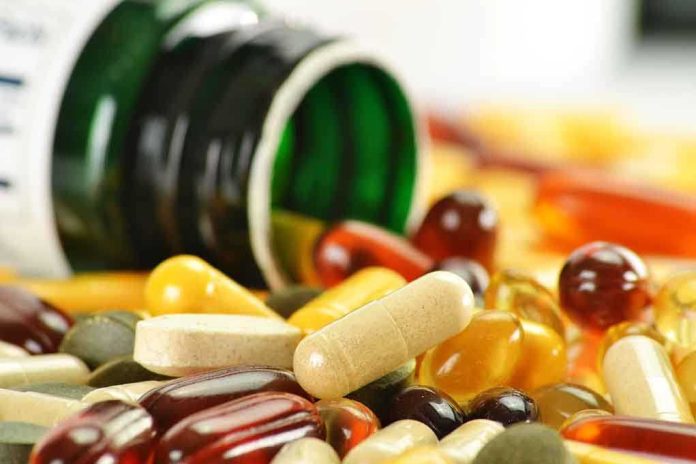
The same antioxidant that quietly protects your cells today could, in the wrong dose or pill, nudge your cancer risk up tomorrow.
Story Snapshot
- Free radicals damage DNA, and specific antioxidants can interrupt that damage before it turns into cancer.
- Five standout defenders—CoQ10, glutathione, zinc, vitamin C, and vitamin E—do not all behave the same in your body.
- Whole foods consistently beat high-dose pills for real-world cancer protection.
- Some “cancer-fighting” supplements have actually raised cancer risk in certain people.
How Free Radicals Turn Normal Cells Into a Slow-Motion Train Wreck
Every day, your cells take thousands of microscopic hits from free radicals—unstable molecules that steal electrons and leave DNA, fats, and proteins scarred. When those scars pile up, damaged cells can start behaving like bad neighbors: ignoring boundaries, multiplying when they should not, and refusing to die on schedule. That is the early script of cancer. Antioxidants matter because they intercept those free radicals, repair some of the collateral damage, and help your immune system spot cells that are going rogue before they organize a full-blown revolt.
Real-world data sharpen that picture. Diets rich in colorful plants—broccoli, cauliflower, tomatoes, berries, leafy greens, garlic, onions, whole grains—repeatedly track with lower rates of breast, lung, colon, and prostate cancers. Cruciferous vegetables deliver sulforaphane and other glucosinolates that turn up detox enzymes and push damaged cells toward self-destruction. Tomatoes supply lycopene, which correlates with less prostate cancer. These foods do more than quench free radicals; they alter gene expression and cool chronic inflammation.
Five Antioxidants Worth Knowing by Name
Coenzyme Q10 (CoQ10) sits inside your mitochondria, the tiny power plants in every cell, helping turn food into usable energy while limiting oxidative fallout. A randomized trial in women with precancerous cervical lesions found that three months of CoQ10 plus multivitamins and minerals significantly reduced progression risk, suggesting this antioxidant can influence early cancer biology when combined with broader nutritional support. That is not a license to megadose, but it is a signal that targeted use under medical guidance can be part of a rational prevention play.
Glutathione, often called the body’s “master antioxidant,” works inside cells to recycle other antioxidants and keep detox pathways moving. In one small but striking study of patients with lung nodules, six months of supplemental glutathione stopped every nodule from progressing to lung tumors and shrank nodules in over 40 percent of participants. Researchers traced part of the effect to restored mitochondrial metabolism and lower inflammatory IL-6. That kind of result demands larger trials, yet it reinforces a conservative principle: support the body’s own defense systems rather than trying to overpower them.
When Helpful Antioxidants Become a Dangerous Shortcut
Zinc, a trace mineral, shows how subtle changes can shift cancer risk. In Barrett’s esophagus, a precancerous condition, zinc gluconate altered gene expression toward less inflammation, more orderly cell death, and reduced invasive behavior. Other research suggests zinc can slow telomere shortening in lung tissue, which may help prevent malignant transformation. But more is not always better; chronically excessive zinc can throw off copper balance and immune function. Conservative values favor sufficiency through diet first, then modest supplementation when bloodwork and risk justify it.
Vitamin C tells a different story. Higher intake from foods—not pills—tracks with meaningful drops in breast, colorectal, and prostate cancer risk in several meta-analyses. Citrus, peppers, berries, and leafy greens deliver vitamin C bundled with flavonoids, fiber, and plant compounds that appear to work together. That synergy likely explains why whole-food vitamin C outperforms isolated tablets. Cancer survivors in particular should not assume that high-dose C is automatically safe; timing, dose, and treatment interactions all matter and deserve an oncologist’s input.
Vitamin E, Beta-Carotene, and the Myth That “More Is Better”
Vitamin E illustrates the dark side of antioxidant hype. Researchers have synthesized dozens of vitamin E analogues, and some show potent anticancer effects in lab models. Yet when high-dose vitamin E supplements were tested in large human trials, some groups—especially smokers—saw increased cancer risk. Beta-carotene followed a similar arc: promising theory, then real-world data showing more lung cancer in smokers taking supplements. The common thread aligns with common sense: isolating one compound and pushing it far beyond dietary levels can backfire in complex human biology.
That evidence supports a grounded, conservative approach. Antioxidants from real food look consistently protective across populations and cancer types. High-dose pills are best reserved for specific, well-studied situations, ideally within clinical trials or under careful medical supervision. Rather than chasing “miracle” capsules promising to erase risk, older adults can lean into habits that respect how the body already works: build meals around cruciferous vegetables, tomatoes, berries, leafy greens, garlic, onions, and whole grains; maintain a healthy weight; avoid smoking; and use supplements as tools, not magical shields.
Sources:
Antioxidants That Fight Free Radicals & Reduce Cancer Risk
Antioxidant and Anti-Tumor Effects of Dietary Vitamins A, C, and E
Vitamin E and Cancer Risk Review
NCI Antioxidants and Cancer Prevention Fact Sheet
EMBO Press Antioxidants and Cancer Biology
10 Cancer-Fighting Foods You Should Be Eating