
A Chinese coast guard ship blasted a Philippine government vessel with a water cannon near Scarborough Shoal, and the cameras were rolling.
Story Snapshot
- Philippine officials say a patrol vessel was hit by a Chinese water cannon near Scarborough Shoal.
- Manila calls the maneuver reckless and says the ship closed to about seven meters.
- Beijing says it lawfully drove away intruding boats from its claimed waters.
- Pattern repeats: duel of narratives after every clash in these crowded seas.
What Happened At Scarborough Shoal
The Philippine Coast Guard reported that a Chinese coast guard vessel struck the BRP Datu Paduhinog with a high‑pressure water blast near Scarborough Shoal. Officials described damage and said the Chinese ship cut close, within about seven meters, while warning horns blared. Video and photos from recent run‑ins at the shoal show similar water cannon use. The incident fits a months‑long cycle of near‑misses, blocked passages, and blunt force tactics that keep raising the risk of injury and miscalculation.
China described a different story. Its coast guard said it tracked and drove away Philippine vessels that had “intruded” into waters it claims, and framed its actions as lawful and professional enforcement. That messaging mirrors earlier statements after clashes around the same shoal and other reefs, where Beijing says it imposed control measures and Manila says it endured coercion at sea. The distance between those accounts has become its own predictable feature of the conflict.
Why The Shoal Keeps Boiling Over
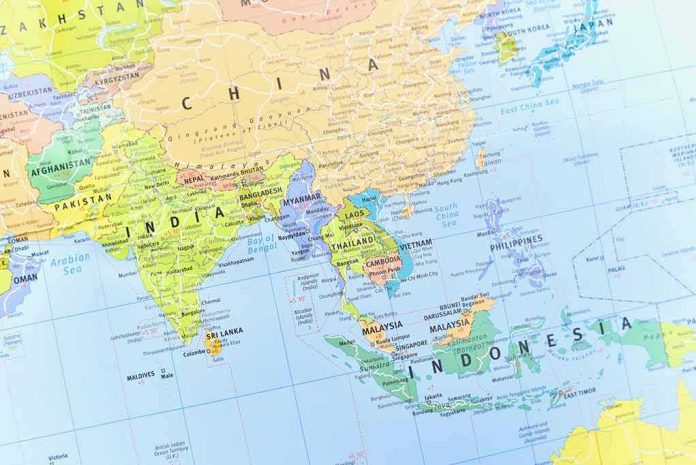
Scarborough Shoal sits well within the Philippines’ exclusive economic zone by distance, yet China claims the shoal and the surrounding waters. That tension drives repeated close‑quarters standoffs. Philippine crews say they conduct patrols and resupply to serve fishermen and assert rights. Chinese cutters often interpose, form walls, and use water cannons to force turnbacks. Journalists embedded on Philippine ships have filmed blasts hitting bows and wheelhouses, confirming how physical these face‑offs have become.
Each clash lands with a familiar punch. The Philippines alleges damage, obstruction, or sideswipes. China says it issued warnings and took measured steps to maintain order. International outlets capture both statements and, at times, on‑scene images that show roaring jets of water arcing across narrow gaps. This pattern matters more than any single day’s headline. It shows a stable, dangerous script: press claims, meet resistance, trade blame, repeat — all within a few hundred yards of coral and surf.
The Stakes For Fishermen, Deterrence, And U.S. Commitments
Filipino fishermen rely on these waters for fuel, catch, and safety in rough weather. When large ships box in small wooden boats, livelihoods suffer and risks climb. Philippine agencies say their patrols aim to keep fishing safe and legal. Harassment and blocked access undercut that. That practical harm resonates with American conservative values: defend lawful access, back allies who play by the rules, and call out coercion that pushes working families off their grounds.
A China Coast Guard (CCG) vessel fired a water cannon at a Philippine #fisheries vessel delivering fuel subsidies to Filipino fishermen at Panatag (Scarborough) Shoal on Thursday, the Philippine Coast Guard (PCG) said. https://t.co/lUgzrX3le3
— UBC Oceans (also found at ubcoceans.bsky.social) (@UBCoceans) July 24, 2026
Deterrence also sits in the foreground. The Philippines is a treaty ally of the United States. Past collisions and hard turns at Scarborough drew swift American attention, including brief deployments that signaled watchfulness without starting a fight. That measured posture reflects common sense: keep sea lanes open, keep allies supplied, and keep rivals guessing about red lines. Water cannons are not gunfire, but they send a test. Weak answers invite a retest.
How To Read The Conflicting Claims
Beijing says the Philippine boats intruded and Chinese units applied lawful control measures. Manila says the Chinese ship closed dangerously and fired water cannons that damaged a government vessel. Both sides rushed out statements within hours. This is the known playbook in the South China Sea. Give the weight to what can be seen and verified. Newsrooms have filmed the blasts and tall wakes more than once, including at Scarborough. Those images back Manila’s core claim here: the water cannon hit happened.
What Comes Next If The Script Holds
Expect more patrols, more warnings, and more close calls. Expect new video angles from crews and reporters. Expect Manila to harden hulls, add cameras, and bring more support ships. Expect Beijing to keep short‑range pressure on, because it works. The only breaks in the cycle have followed sharper pushback, tighter allied coordination, or sudden accidents that scare both sides. Without a change, the next headline writes itself — and the spray will again do the talking.
Sources:
insiderpaper.com, apnews.com, reuters.com, cnn.com, rappler.com, srnnews.com