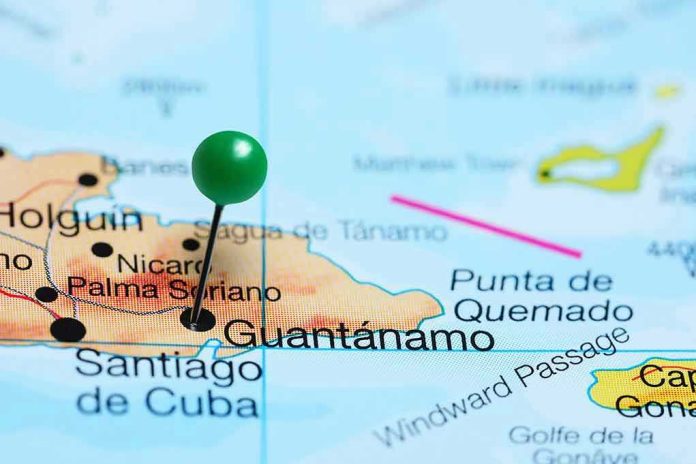
Trump’s “friendly takeover” line lit a fuse because it lands on a hard reality: Cuba’s collapsing regime sits 90 miles from Florida, and Washington is openly squeezing the island’s energy lifeline.
Quick Take
- President Trump publicly floated a “friendly takeover” of Cuba as the White House increases pressure through national-security sanctions and an oil-focused crackdown.
- A deadly speedboat incident off Cuba’s coast—now under U.S. verification—added urgency to already tense U.S.-Cuba talks.
- A January 29 executive order declared Cuba a national security threat and targeted third parties that supply oil, tightening the vise on Havana’s failing system.
- Analysts note U.S. law and Cuban-American political influence limit how far any deal can go without real concessions like elections and prisoner releases.
Trump’s “Friendly Takeover” Comment Signals Maximum Leverage
President Donald Trump made the remark while speaking with reporters as he departed the White House in early February 2026, framing Cuba as economically desperate and seeking U.S. help. Trump said Secretary of State Marco Rubio was handling discussions “at a high level,” signaling diplomacy is active even as pressure rises. The administration has not publicly laid out what “friendly takeover” means in policy terms, leaving the comment as a negotiating signal rather than a detailed plan.
https://www.youtube.com/
ABC News reported the comment followed a deadly confrontation off Cuba’s coast. Cuban officials said a U.S.-registered speedboat fired on border troops during what Cuba described as an infiltration attempt, killing four and injuring six. Cuba also said at least one American was killed and another injured, and that several suspects were detained. U.S. officials said they were working to independently verify what happened, with Cuba sharing information through established channels.
What the January 29 Executive Order Actually Does
The pressure campaign is anchored by Trump’s January 29, 2026 executive order declaring Cuba a national security threat. The order cites Cuba’s ties with hostile state actors and designated terrorist groups as justification for emergency measures, framing the issue as more than humanitarian or economic policy. One practical effect is a focus on Cuba’s energy vulnerability, including steps that penalize or deter countries that provide oil to the island through tariffs and related restrictions.
Cuba’s economic pain is not theoretical. Reporting and analysis describe rolling blackouts that can stretch for many hours, transportation disruptions, and widespread shortages as the island’s fuel supply tightens. Cuba’s crisis has been exacerbated by reduced Venezuelan oil flows that once helped keep the lights on. The U.S. strategy aims at the regime’s ability to function, not at extracting an “economic prize,” a point analysts emphasize when explaining why ideology and security drive policy more than commercial opportunity.
The Boat Incident Raises Stakes, but Facts Remain Under Verification
The speedboat clash is politically combustible because it involves American-linked vessels and alleged casualties while occurring amid active negotiations. Cuba’s government cast the episode as terrorism, while U.S. officials publicly emphasized verification and process. That gap matters: without confirmed details, it is difficult to distinguish between a genuine cross-border security incident and a narrative battle between Washington and Havana. For now, the strongest, verifiable point is that both sides acknowledge an incident occurred and that information is being exchanged.
Secretary of State Marco Rubio’s public posture has been consistent with a hardline approach: he described Cuba as being in a “severe economic crisis” while the U.S. assesses the boat incident and continues high-level engagement. The administration’s sequencing—pressure first, talks alongside—reflects a view that Havana responds only when forced by material constraints. Whether that approach yields reforms depends on Cuba’s willingness to make concessions that satisfy U.S. legal requirements, not just offer temporary promises.
Congressional Law and Cuban-American Politics Set the Guardrails
Longstanding U.S. statutes—the Cuban Democracy Act of 1992 and the Cuban Liberty and Democratic Solidarity (Liberty) Act of 1996—limit how far a president can go in normalizing relations without concrete political change. Analysts note these rules are designed to prevent a superficial reset that leaves the communist system intact. That legal architecture also reflects domestic politics, including the Cuban-American community’s sustained influence, which has often pushed Republican administrations to demand elections, prisoner releases, and verifiable reforms.
Like I said, Cuba is next up on the chopping block after this Iran mess is over with 👀 https://t.co/8LPYrzqOIQ
— RG | Zeek (@ZeekTyt) March 2, 2026
The humanitarian risk is real, and even critics of the pressure campaign acknowledge the island’s suffering is intensifying as fuel tightens. A U.N. official warned of a deepening humanitarian crisis tied to the fuel squeeze. At the same time, U.S. policymakers are watching for spillover: instability 90 miles from Florida can mean migration surges and security headaches. The central unresolved question is whether Havana chooses genuine political opening—or clings to survival through repression and foreign backing.
Sources:
President Donald Trump Floats ‘Friendly Takeover’ of Cuba
Addressing Threats to the United States by the Government of Cuba
Secretary of State Marco Rubio Remarks to Press