Colombian President Gustavo Petro handed over a top drug lord to the U.S. in a dramatic dawn raid—mere hours before facing Donald Trump at the White House.
Story Snapshot
- Extradition of Andres Felipe Marin Silva, “Pipe Tulua” and La Inmaculada leader, executed early February 3, 2026, with 70 officers, drones, and helicopter.
- Timing coincides precisely with Petro’s White House meeting with Trump amid escalating drug war tensions.
- Petro’s “Total Peace” talks with the gang stalled, enabling Supreme Court approval and his own decree.
- Move signals potential thaw in U.S.-Colombia relations strained by sanctions, tariffs, and cocaine surge.
- Trump leverages power for counternarcotics wins; Petro eyes sanction relief and trade deals.
High-Security Extradition Operation Unfolds
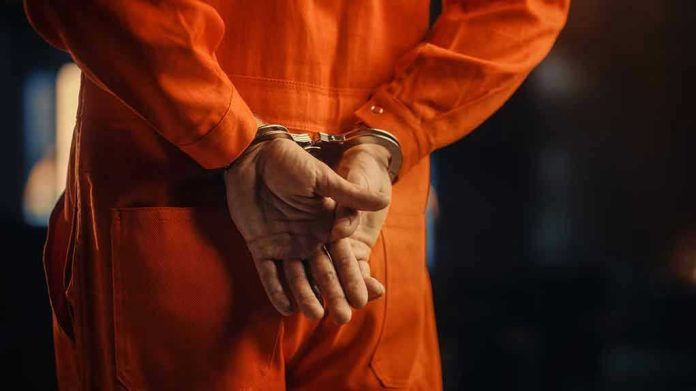
Colombian National Police launched the operation before dawn on February 3, 2026. Over 70 officers escorted Andres Felipe Marin Silva, alias “Pipe Tulua,” from a Bogota police station. Drones scanned the skies while a Halcon helicopter provided aerial cover. The convoy raced to anti-narcotics headquarters near El Dorado Airport. U.S.-bound flight departed swiftly, depositing the La Inmaculada boss into Texas federal court on three drug trafficking charges. This precision strike broke a diplomatic deadlock.
Petro’s Total Peace Policy Hits a Wall
La Inmaculada sought “peace manager” status under Petro’s Total Peace initiative. Exploratory talks began but stalled completely. Unlike successful cases where such status blocked extraditions, these negotiations froze. Colombian Supreme Court then issued a favorable opinion on the charges. Petro himself signed the final decree greenlighting the handover. Facts show his policy yielded to legal realities and U.S. pressure, aligning with common sense demands for accountability over endless talks.
Colombia produces the world’s record cocaine haul—3,000 tons in 2024 per U.N. data. Output doubled since Petro took office in 2022. Trump accused him of flooding America with drugs, a charge lacking direct evidence but rooted in undeniable production spikes. Petro, ex-guerrilla turned president, clashed ideologically with Trump’s business background. Yet both share populist traits, tweeting voluminously and defying norms.
Tensions Boil Over into Sanctions and Threats
Post-Trump’s January 2025 inauguration, Petro rejected U.S. deportation flights. Trump responded with trade war threats and public mockery. Petro rallied against him at the U.N. in September 2025. Washington revoked Petro’s visa, sanctioned his wife and interior minister, suspended Colombian visas, imposed tariffs, and struck drug boats. U.S. listed Colombia as drug-noncooperative for the first time in 30 years. Trump hinted at military action after capturing Venezuela’s Maduro last month, calling Colombia “very sick too.”
Power tilted heavily toward Trump. Historical U.S. aid bolstered Washington’s influence since the 1990s anti-cartel fights. Petro resisted publicly, rallying domestic and global opposition, but conceded on deportations. Analysts like Sergio Guzman of Colombia Risk Analysis called Petro’s defiance inspiring yet harmful to Colombians. Adam Isacson of Washington Office on Latin America noted both leaders as tweet-happy populists finding backchannel detente.
Phone Call Sparks White House Summit
A nearly hour-long phone call shifted gears. Trump dubbed it a “Great Honor” and extended a White House invite. Petro accepted, discussing Venezuela, drugs, and blaming Colombian politicians for U.S. misconceptions. The February 3 meeting targeted drugs, immigration, trade, extraditions, and U.S. security roles. Petro’s visa and sanctions lingered as flashpoints. Analysts predicted either de-escalation with aid resumption or fireworks akin to Trump’s Zelenskyy clashes.
Short-term wins could lift tariffs hurting Colombian exporters and resume slashed aid. Long-term, the summit shapes ties before Petro’s August 2026 exit. Rural drug zones face war pressures; U.S. consumers battle cocaine inflows. Bipartisan U.S. voices urged not alienating Colombia, a Latin American success story. Expert Juan Lozano of El Tiempo expressed deep worry for his country. Optimists eyed stabilization; pessimists foresaw confrontation. This extradition timing hints at Petro’s pragmatic concession for leverage.
Sources:
NPR: An uneasy detente? Trump and Colombia’s Petro to meet at White House