A stale camera alert in Wisconsin sent armed officers after two innocent people on Interstate 94, and the official blame game is now as revealing as the stop itself.
Quick Take
- Brookfield police stopped a silver sport utility vehicle on Interstate 94 after a Flock Safety alert tied it to a Milwaukee homicide investigation.
- Milwaukee police later said the wanted-vehicle alert had not been removed from the system, and called it a human error problem, not a Flock issue.
- The people in the vehicle had no link to the homicide, but they were detained at gunpoint during a high-risk stop.
- The case lands in the middle of a wider fight over automated license plate readers, privacy, and police accountability in Wisconsin.
What Happened on I-94
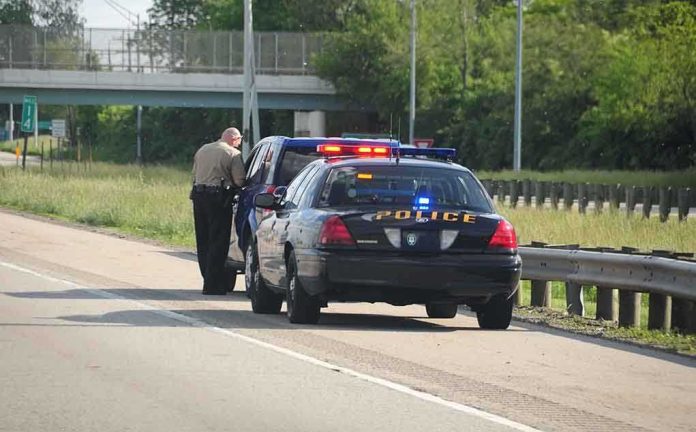
Brookfield police say officers made a high-risk stop on Interstate 94 after a Flock alert said a silver sport utility vehicle matched a vehicle wanted in a Milwaukee homicide probe. The stop turned out to be wrong. Milwaukee police later said the vehicle should have been removed from the system, and the people inside had no role in the case.
The core dispute is not whether the stop happened. It did. The real question is where the failure began. Local reporting says Milwaukee police left an outdated wanted-vehicle entry active, while Brookfield officials said their officers acted on the alert they received. That matters because a small data error became a tense armed encounter in seconds.
Why the Error Became a Public Flashpoint
Flock Safety markets its cameras as license plate readers that scan passing vehicles and send searchable alerts to police. That design can help officers find stolen cars or suspects, but it also means a bad entry can travel fast. In this case, the alert did exactly that. Critics argue the system can turn a paperwork mistake into a dangerous roadside confrontation before anyone has time to slow down.
Officials in this case pushed the blame upstream, toward the police department that failed to clear the alert. That defense may be accurate on the narrow cause of the mistake, but it does not erase the risk created when an automated system pushes a stale record into a live stop. For the people in the vehicle, the difference between a database error and a tech error did not matter much in the moment.
A Wider Debate About Surveillance and Oversight
The Wisconsin incident arrives as Flock faces growing pushback across the state. Some local governments and campuses have backed away from the cameras, citing privacy and oversight concerns. That backdrop helps explain why a single freeway stop can draw so much attention. For critics, it fits a larger pattern: more surveillance, more data, and more ways for institutions to fail ordinary people.
Supporters of the technology say the cameras are only tools and that officers must verify alerts before acting. That point is fair, and it also highlights the weak link in the chain: human judgment still sits on top of machine alerts. When that chain breaks, the public sees armed police, a wrong stop, and two people left to wonder how a routine drive turned into a near-disaster.
Sources:
townhall.com, youtube.com, cbs58.com, fox11online.com, wisconsinwatch.org, wbay.com, seehafernews.com, aclu.org