

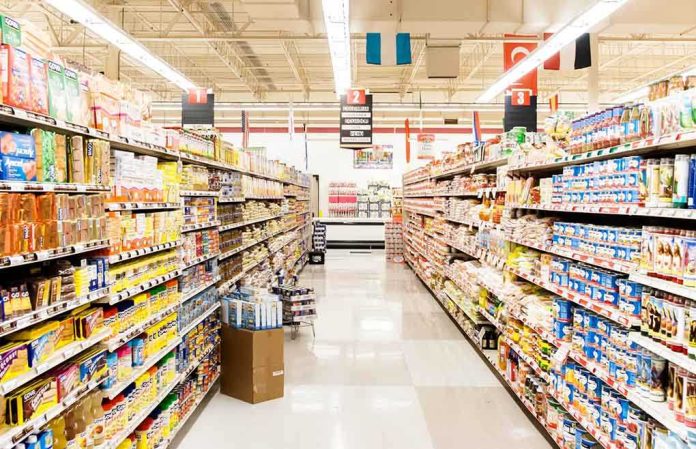
Four in ten adults now say they want ultra-processed foods banned outright—and that number tells a bigger story about health, power, and who controls your dinner plate.
Story Snapshot
- About 39% of adults now say ultra-processed foods should be banned, despite most not even fully understanding the term.
- Ultra-processed foods quietly supply over half of the calories Americans eat, especially children and low-income families.
- Scientists increasingly link these products to obesity, diabetes, heart disease, and higher mortality.
- Schools and regulators are slowly tightening standards, while industry pushes back with “personal choice” rhetoric.
Why Almost 4 in 10 People Now Want Certain Foods Off the Shelves
Survey researchers found that roughly 39% of adults say they want ultra-processed foods banned, not just labeled or taxed. That is a startling level of support for prohibiting products that fill entire supermarket aisles and dominate TV ads. Yet the same data show only about one-third of adults are even familiar with the technical term “ultra-processed food.” People may not speak NOVA classification, but they recognize a problem when their waistlines, lab results, and grocery carts stop matching up.
The conservative instinct for common sense is kicking in. When nearly four in ten adults tell pollsters they are ready to outlaw a huge slice of the modern food supply, that suggests frustration with more than just personal willpower. It signals a belief that the deck is stacked—by cheap, engineered products that crowd out real food and by a system that profits when Americans get sicker, not healthier. That anger is now bleeding into talk of bans, not just better brochures.
Ultra-processed foods, as defined by the NOVA system, are industrial formulations built from refined ingredients, additives, flavorings, and emulsifiers, with little or no whole food left inside. They are designed to be hyper-convenient, hyper-palatable, and highly profitable. Over the last few decades these products have displaced home cooking across much of the developed world. They are cheap, shelf-stable, aggressively marketed, and, for many busy families, almost impossible to avoid.
What Ultra-Processed Foods Are Doing to American Health
National nutrition data show that Americans now get about 55% of their daily calories from ultra-processed foods; adults still take in roughly 53% of calories from these products. Children and teenagers consume even more, with youth getting over 60% of their calories from ultra-processed items. That share has dipped only modestly in recent years, despite all the talk about clean eating and label reading. For most households, ultra-processed is the default, not the exception.
Researchers increasingly link high ultra-processed intake to obesity, metabolic syndrome, type 2 diabetes, cardiovascular disease, some cancers, depression, and higher all-cause mortality. A randomized National Institutes of Health trial found that people given ultra-processed menus ate about 500 extra calories per day and gained weight, even when the meals were matched for nutrients like fat and protein. That experiment undercuts the comforting idea that it is just about “calories in, calories out” or individual discipline; processing itself appears to drive overeating and weight gain.
Schools, Regulators, and the Tug-of-War Over What Kids Eat
Federal nutrition surveys and policy debates now collide in school cafeterias, one of the largest publicly funded food systems in the country. School nutrition directors report growing concern that expected federal moves to limit ultra-processed foods in school meals will strain already tight budgets and supply chains. Many argue they have already made significant progress, pointing out that today’s school meals often meet stricter standards than what most children eat at home. Yet pressure is building to cut back on heavily processed entrees, snacks, and flavored drinks.
California has positioned itself as a national test case by promoting laws to phase out certain ultra-processed items and controversial additives in K–12 schools. Supporters frame this as basic child protection, noting that kids currently get the highest share of their calories from ultra-processed products. Critics worry about costs and accuse policymakers of creeping “nanny state” overreach. From a conservative common-sense standpoint, the core question is whether public institutions that feed children daily should default to the cheapest engineered foods or to options closer to what a responsible parent would cook.
Who Really Benefits When Ultra-Processed Foods Dominate the Diet?
Ultra-processed foods are not an accident; they are the backbone of major multinational food and beverage companies’ profits. These products use low-cost inputs, scale efficiently, and deliver high margins. That economic reality helps explain why supermarket shelves, vending machines, and fast-food menus are saturated with them. Public health advocates argue that the lobbying power and marketing budgets behind ultra-processed portfolios overwhelm the quieter interests of families and taxpayers who ultimately shoulder the healthcare bills.
Industry-aligned experts frequently push back against broad ultra-processed classifications, arguing that NOVA is too blunt and that policy should focus only on nutrients like sugar and sodium. That nutrient-only lens fits neatly with reformulation campaigns that tweak recipes without changing the basic ultra-processed model. From a conservative viewpoint that values transparency and personal responsibility, there is merit in both directions: people should know exactly what they are buying, and policymakers should avoid clumsy overreach. But the accumulating data on health harms make it harder to pretend this is just another food fashion.
Sources:
1. National Health and Nutrition Examination Survey Data Brief
2. 2024 IFIC Food & Health Survey
3. Global Food Research Program Ultra-Processed Foods Fact Sheet
4. PubMed Study on Ultra-Processed Foods and Health Outcomes
5. K-12 Dive: Federal Calls for Fewer Ultra-Processed Foods in Schools
6. Scientific Critique of Ultra-Processed Food Classification
7. Survey on Americans’ Whole Grain Consumption Goals