

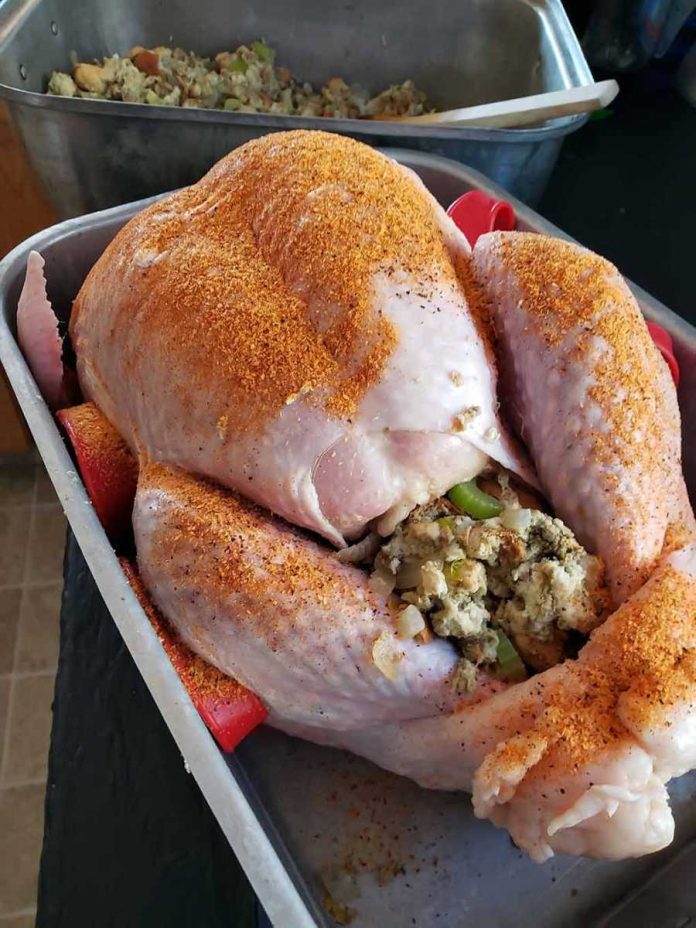
USDA is warning home cooks that rinsing raw turkey can spray harmful bacteria around the kitchen, while cooking to 165°F keeps families safe.
Story Highlights
- USDA says do not wash raw turkey because it spreads bacteria through splashing.
- Cook turkey to 165°F in the thigh, wing, and breast; use a thermometer to verify.
- Keep raw turkey and its juices away from ready-to-eat foods to avoid cross-contamination.
- Clean and sanitize sinks, counters, and tools after handling raw poultry.
USDA’s Core Guidance: Skip the Sink, Trust the Thermometer
United States Department of Agriculture food safety experts advise against washing raw turkey because water can splash germs onto sinks, counters, tools, and other food. The agency says it is almost impossible to rinse bacteria off poultry. Cooking to a safe internal temperature remains the proven way to kill germs. Officials recommend checking 165 degrees Fahrenheit with a food thermometer in the innermost thigh, innermost wing, and thickest breast to confirm doneness and safety.
USDA materials explain that raw poultry juices carry bacteria that can move wherever the water goes. That includes nearby produce, cutting boards, towels, and even your hands. Keeping raw turkey separate from foods that will not be cooked is key. Place the bird on a tray, use dedicated tools, and keep those tools out of reach of ready-to-eat items. These steps cut the risk before heat does the rest in the oven.
Cross-Contamination: How Kitchen Habits Spread Germs
Scientists have shown that washing raw poultry can propel bacteria to nearby surfaces by splashing. That is the transfer path that makes people sick, not the bird’s surface alone. The fix is simple: avoid washing, and clean as you go. Wash hands with soap and warm water for 20 seconds after touching raw turkey. Then scrub and sanitize the sink, faucet handles, counters, and any utensils or thermometers that touched raw juices before using them again.
Many Americans still rinse turkeys out of habit. Surveys over the last decade found most consumers washed whole birds or parts before cooking. Public health messages have helped some people stop, but the practice remains common. Clear steps work best: do not rinse; prepare the turkey on a rimmed sheet or roasting pan; keep cutting boards for raw meat only; and move cleaned vegetables and sides away from the raw prep area until the turkey is in the oven and the sink is sanitized.
Safe Cooking and Simple Kitchen Steps for the Holiday Rush
USDA says the only way to know a turkey is safe is to use a thermometer. Ovens vary, birds vary, and color is not a reliable sign. Insert the thermometer into the thigh, wing, and breast without touching bone. Each spot must read at least 165°F. If any part is low, return the turkey to the oven and recheck. Let the bird rest so juices settle, then use clean carving tools and a clean cutting board to avoid recontaminating cooked meat.
Ready for turkey day? 🦃 Make sure your Thanksgiving is memorable for all the right reasons! As you prepare to gather around the table, remember to follow these simple food safety tips to help keep everyone safe. For more helpful advice, visit https://t.co/WxELZfHTO9 pic.twitter.com/qaMbLdzfQQ
— Siouxland Health Dpt (@SiouxlandHealth) November 22, 2026
Holiday kitchens get crowded, but small habits prevent illness. Thaw the turkey safely in the refrigerator, not on the counter. Keep raw juices from touching salad greens, fruits, or desserts. After handling the bird, wash hands, the sink, and counters with soap and hot water, then sanitize. Finally, refrigerate leftovers within two hours. These steps respect a basic truth both sides of our national debates can agree on: common-sense actions at home protect the people we love.
Sources:
washingtontimes.com, fsis.usda.gov, usda.gov, pmc.ncbi.nlm.nih.gov, pubmed.ncbi.nlm.nih.gov