
Story Highlights
- Iran’s President addresses the economic crisis amid nationwide protests.
- Government’s subsidy reform plan is a central focus in Pezeshkian’s address.
- Authorities blame the US and Israel for unrest following a recent war.
- Protests have led to deadly clashes, raising security concerns.
Iran’s Economic Turmoil: President’s Response
In a pre-recorded interview aired by Iran’s state broadcaster IRIB, President Masoud Pezeshkian addressed the nation amidst a severe economic crisis. The country has been gripped by protests due to inflation and the collapse of the rial. Pezeshkian announced a major subsidy system reform plan, aiming to tackle these economic challenges. He emphasized the government’s readiness to listen to the people’s demands while warning against destructive actions.
The interview comes after two weeks of protests where deadly clashes between security forces and demonstrators were reported. The government has been criticized for its management of the economy, which has been under strain since the re-imposition of US sanctions. The subsidy reform is seen as a critical step to stabilize the market and boost purchasing power.
Foreign Influence Claims and Security Concerns
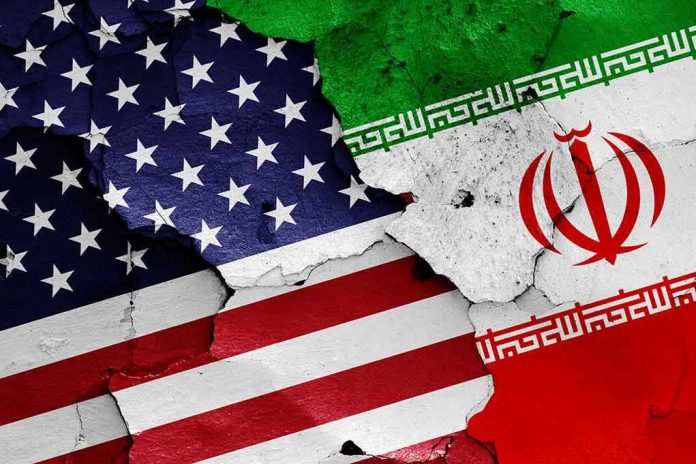
Pezeshkian accused the US and Israel of encouraging unrest in Iran, particularly following last year’s 12-day war between Israel and Iran. This conflict, which saw Israel and the US conduct strikes on Iranian facilities, exacerbated the nation’s economic woes. The Iranian government has framed the protests as partly instigated by foreign powers, a narrative used to justify its crackdown on what it terms ‘rioters’.
Iran’s Parliament Speaker, Mohammad Baqer Qalibaf, issued a stark warning that US and Israeli bases would be considered legitimate targets if Washington attacks Iran. This statement aligns domestic unrest with a broader regional confrontation, increasing tensions in an already volatile region.
Protests and Reform: A Tenuous Balance
The ongoing protests reflect the populace’s frustration with economic mismanagement and a lack of transparency. The government’s efforts to implement subsidy reform are crucial yet risky. Previous reform attempts have triggered unrest due to immediate price hikes before compensation measures take effect.
The situation highlights the delicate balance the Iranian government must maintain between addressing public grievances and ensuring regime stability. The international community watches closely, aware that any misstep could lead to further instability in the region.
Sources:
Xinhua: Iran President Addresses Economic Issues
Arab News: Pezeshkian’s Stance on Economic Reform