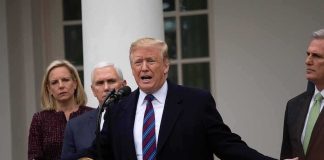
Ukrainian President Volodymyr Zelensky directly contradicted President Trump’s assessment of Vladimir Putin’s intentions, creating a diplomatic tension that exposes the complex reality of ending the Russia-Ukraine conflict.
Story Snapshot
- Zelensky publicly disagreed with Trump’s characterization of Putin’s willingness to negotiate
- Ukrainian leader stated he doesn’t trust Putin and believes Russia doesn’t want Ukrainian success
- The contradiction highlights challenges Trump faces in his promised peace negotiations
- Diplomatic rift emerges between key allies just as peace talks become priority
A Rare Public Disagreement Between Allies
President Zelensky broke diplomatic protocol by openly challenging Trump’s assessment of Putin’s motivations regarding Ukraine. The Ukrainian leader stated bluntly that Putin “doesn’t want success for Ukraine” and emphasized his distrust of the Russian president. This direct contradiction comes at a crucial moment when Trump has promised to broker peace between the warring nations, creating an awkward diplomatic situation that could complicate future negotiations.
The Trust Factor in International Negotiations
Zelensky’s emphasis on trust reveals the psychological barriers that may prove more challenging than territorial disputes. His statement “I don’t trust Putin” reflects years of broken agreements and failed ceasefires that have characterized the conflict. This mistrust isn’t unfounded given Russia’s history of violating previous agreements, including the Budapest Memorandum and Minsk Accords. The Ukrainian president’s skepticism suggests that any peace deal will require robust enforcement mechanisms rather than relying on Putin’s word.
The trust deficit extends beyond personal relationships to fundamental disagreements about Ukraine’s future. Putin’s stated goal of “demilitarizing” and “denazifying” Ukraine contradicts any notion of allowing Ukrainian success or sovereignty. These irreconcilable positions make Zelensky’s pessimism appear realistic rather than obstructionist.
Trump’s Peace Promise Meets Reality
Trump campaigned on ending the Ukraine conflict quickly, but Zelensky’s public contradiction exposes the complexity of this promise. The Ukrainian leader’s willingness to contradict Trump suggests he prioritizes Ukraine’s survival over diplomatic niceties with America’s new president. This tension could force Trump to choose between pressuring Ukraine to accept unfavorable terms or acknowledging that Putin may indeed be an unreliable negotiating partner.
The disagreement also highlights Trump’s challenge in balancing his desire for quick results with the geopolitical reality that Putin benefits from continued conflict. Russia’s economy has adapted to wartime production, and prolonged conflict weakens both Ukraine and European resolve. Zelensky’s assessment that Putin doesn’t want Ukrainian success aligns with Moscow’s actions throughout the war, including targeting civilian infrastructure and rejecting compromise proposals.
Strategic Implications for American Foreign Policy
This public disagreement forces difficult questions about American strategy in Eastern Europe. Trump’s approach requires Ukrainian cooperation, but Zelensky’s statements suggest he won’t accept a peace deal that ensures future Ukrainian failure. The contradiction exposes the weakness in assuming Putin negotiates in good faith, a position many foreign policy experts have warned against throughout the conflict.
Zelensky’s bold contradiction also demonstrates Ukraine’s evolution from dependent ally to assertive partner willing to challenge American assumptions. This shift reflects Ukraine’s confidence gained through military success and international support, but also creates new diplomatic challenges. Trump must now navigate between his desire for negotiated peace and the reality that his key ally fundamentally disagrees with his assessment of the opposing party’s intentions.