

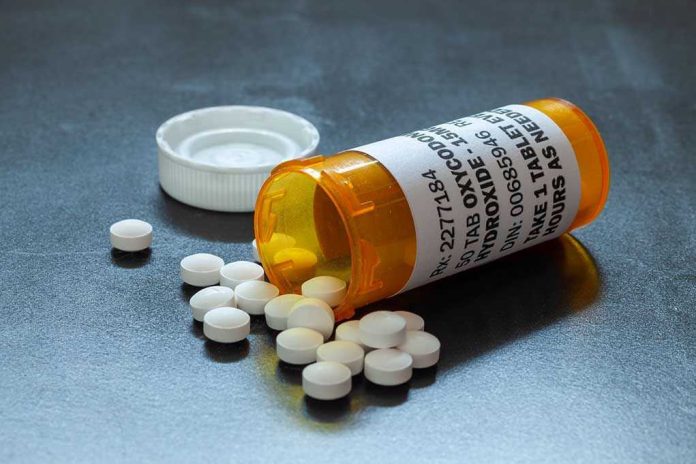
When bureaucratic “one-size-fits-all” opioid rules treat lawful pain patients like criminals, the real casualty is humane medicine—and the truth that dependence is not addiction.
Quick Take
- Medical experts draw a clear line between opioid dependence (expected tolerance/withdrawal) and addiction (compulsive use despite harm).
- Research links chronic pain and opioid use disorder through central sensitization, underscoring the need for targeted, not blanket, approaches.
- Studies report relatively low addiction rates among chronic pain patients on opioids, with estimates varying by diagnostic method.
- Most chronic pain patients report satisfaction with non-opioid pain care, but a subset still needs carefully monitored opioid therapy.
- Confusing terms can fuel stigma, worsen patient-provider trust, and push policy toward overreach instead of individualized care.
Dependence vs. Addiction: A Medical Distinction With Real-World Consequences
Clinicians who specialize in addiction medicine describe addiction as a behavioral disorder marked by craving, loss of control, and continued use despite negative consequences. Physical dependence, by contrast, is a predictable physiological response to long-term use that can include tolerance and withdrawal, even when medication is taken exactly as prescribed. That distinction matters because policy and public rhetoric often collapse both into “addiction,” which can stigmatize lawful patients and distort clinical decisions.
For families watching a loved one manage severe back pain, neuropathy, or cancer-related pain, the words used by insurers, hospitals, and regulators are not academic. A patient who is stable on a prescribed regimen can still experience withdrawal if therapy stops abruptly, but that symptom alone does not establish compulsive drug-seeking. Specialists argue that clearer education helps patients and providers communicate honestly about risk, monitoring, and tapering without assuming moral failure or criminal intent.
What the Latest Science Says About Pain, the Brain, and Opioid Risk
Newer research has added nuance to the debate by identifying central sensitization—heightened pain sensitivity—as a biological mechanism that can connect chronic pain and opioid use disorder. In the Michigan Medicine report, people with greater central sensitization reported worse quality of life and were more likely to cite pain as a reason they started opioids, delayed addiction treatment, or feared relapse. The takeaway is not that pain patients are “addicts,” but that pain biology can complicate recovery and demands integrated care.
This research also helps explain why simplistic, politically driven frameworks can fail. If chronic pain and opioid use disorder can intersect through shared mechanisms, patients deserve careful assessment rather than assumptions based on labels. For a conservative audience wary of bureaucratic overreach, the practical point is straightforward: systems that ignore individual medical realities tend to expand control, not improve outcomes. Evidence-based medicine requires distinguishing legitimate therapeutic use from compulsive misuse.
Prevalence Data: Low Risk Overall, but Estimates Depend on Definitions
Evidence summarized in chronic pain resources reports that addiction rates among chronic pain patients using opioids vary depending on how addiction is diagnosed. One set of figures cited shows 14.4% or 19.3% meeting criteria, depending on the diagnostic approach, highlighting how definitions drive headlines. A systematic review of 17 studies concluded that chronic opioid therapy for chronic pain was not associated with a major risk for developing opioid use disorder, though researchers also noted limitations in study quality.
Those numbers are often lost in the politics that followed the opioid crisis, when regulators and health systems tightened controls across the board. The research base supports a more measured message: most patients do not become addicted, but risk is not zero, and oversight should be smart. Conservatives who value limited government can still support firm action against diversion and illegal trafficking while insisting that lawful patients not be swept into a presumption of guilt.
Most Patients Don’t Use Opioids—But Some Still Need Individualized Options
The Institute for Chronic Pain reports that most chronic pain patients are satisfied with pain management without opioids, a reminder that non-opioid therapies work for many people. That reality undercuts the false binary that every pain patient “needs pills,” but it also supports individualized medicine: if most do well without opioids, clinicians can reserve opioids for carefully selected cases, with monitoring and clear goals. Blanket denial policies can still harm the minority whose function depends on effective analgesia.
Policy debates in the post-crisis era increasingly revolve around how to prevent addiction while avoiding unnecessary suffering. The research summarized here repeatedly returns to the same point: dependence is expected with long-term opioid exposure and does not prove addiction. When public messaging treats tolerance and withdrawal as automatic evidence of addiction, it can encourage stigma, discourage honest reporting, and strain the patient-provider relationship. Limited data gaps remain, but the direction is clear: precision in language supports precision in care.
Sources:
Addiction vs. Chronic Pain Management: Understanding the Difference
Study provides first evidence of a link between opioid use disorder and chronic pain
Opioid Dependence and Addiction
Understanding Addiction Versus Dependence