President Trump warned that any new Houthi strike on ships will bring “major military punishment” for both the Houthis and Iran.
Story Highlights
- Trump tied future Houthi attacks to Iran and vowed “dire” consequences for Tehran.
- The warning followed earlier U.S. strikes on Houthi targets as part of a wider campaign.
- Global shipping and energy markets face heightened risk if Red Sea attacks continue.
- The policy aims to restore deterrence by holding the sponsor state to account.
Trump Draws a Red Line Linking Tehran to Houthi Attacks
President Trump said the United States will hold Iran responsible for any new Houthi attacks on commercial shipping and Saudi vessels. He stated that every shot fired by the Houthis will be treated as a shot from Iran’s weapons and leadership, and that Iran will face dire consequences if the attacks continue. Media reports summarized his message as a promise of “major military punishment” against both the Houthis and Iran if another strike occurs.
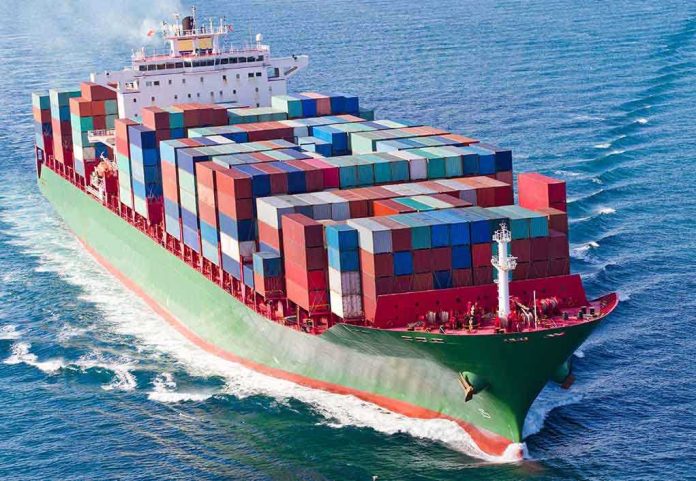
Trump’s warning followed claims that Houthi militants hit two Saudi ships in the Red Sea. News outlets reported one vessel was an oil tanker, raising fears of energy supply shocks and higher fuel prices for American families. The president’s statement signals a shift from only striking proxies to directly holding the sponsor accountable. That approach seeks to stop repeat attacks by raising the cost for Tehran, not just its partners at sea.
Deterrence Strategy Targets the Sponsor, Not Only the Proxy
U.S. officials have long described the Houthis as backed by Iran. The pattern in past crises showed proxy attacks, public attribution to Iran, and limited strikes meant to restore deterrence. Analysts and reporters framed the current standoff the same way, with Washington warning that Iran will now be on the hook for what its partners do. Trump’s “dire consequences” line puts Tehran on clear notice that the next move could hit far beyond Yemen.
Earlier in the campaign, U.S. forces struck Houthi leaders and sites in Yemen. Those strikes were described as part of the largest recent American effort in the region since Trump returned to the White House. The administration’s goal was to reduce the group’s ability to threaten ships and to warn Iran that its support for these attacks would bring a heavier price. Reuters detailed those operations and their regional scale.
Shipping Lanes, Energy Prices, and U.S. Interests at Stake
The Bab el-Mandeb and the Red Sea carry vital oil and goods that feed world markets. When missiles and drones make insurers nervous, shipping costs rise and routes stretch. That can push fuel and food prices up at home. Trump’s team argues that strong action now protects American wallets later by keeping sea lanes open and safe. The British Broadcasting Corporation also framed the warning as a step to stop wider spillover in the region.
American conservatives see another core issue here: freedom of navigation backed by credible strength. The United States relies on lawful trade, stable energy supply, and a world that knows our flag means business. The policy choice is simple to explain. If the Houthis shoot again, Iran pays. That places responsibility on the power that funds, arms, and trains the proxy, rather than chasing militants while the mastermind avoids the bill.
Congressional Crosswinds and the Test Ahead
Political debate often follows when the White House signals tougher use of force. Some in Congress may push for limits or new authorizations before further action. But Trump’s message did not hedge. He promised punishment if the attacks continue and defined responsibility up the chain to Tehran. Fox News and other outlets captured the core line: another hit on shipping triggers “major military punishment,” with Iran squarely in the frame.
Oil tops $100 again after Houthi attack on Saudi tankers worsens oil supply disruption.
Oil prices climbed above $100 on Thursday, reaching their highest level in nearly two months, after Yemen's Houthis said they had attacked two Saudi oil tankers in the Red Sea, adding to…— Alexport (@AlexAlexx974431) July 23, 2026
The next days will show if deterrence holds. If the Red Sea stays quiet, shippers can plan routes, insurers can cut risk premiums, and American drivers can catch a break at the pump. If the Houthis test the line again, the administration has set a clear trigger and target. The aim is peace through strength, not endless war—stop the attacks by making the sponsor face consequences that it cannot ignore.
Sources:
pjmedia.com, indiatoday.in, aljazeera.com, youtube.com, foxnews.com, straitstimes.com