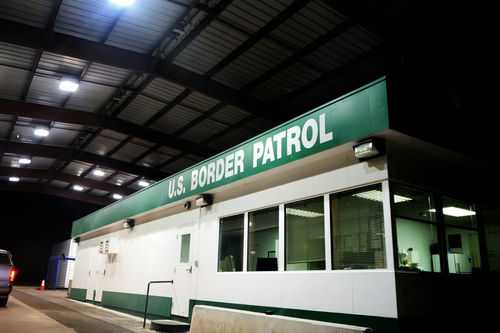
The Supreme Court just handed the Trump administration a major border victory — ruling that migrants standing on the Mexican side of the border have no legal right to apply for asylum in the United States.
At a Glance
- The Supreme Court ruled on June 25, 2026, that the government’s border turnback policy is lawful.
- The Court held that migrants who have not physically entered the U.S. cannot claim the right to seek asylum.
- The ruling clears the way for immigration officials to block asylum seekers directly at the border.
- Left-leaning courts and advocacy groups continue to fight the policy, keeping the legal battle alive.
Supreme Court Backs Trump’s Border Turnback Policy
The Supreme Court ruled on June 25, 2026, that the U.S. government’s border turnback policy is lawful. The Court also declined to rehear the case, locking in the decision. The ruling backs the Trump administration’s core argument — that migrants who have not physically stepped onto U.S. soil do not have the legal right to apply for asylum. This is a clear win for border security and the rule of law.[3]
The Court’s reasoning centers on a plain reading of federal immigration law. Under the Immigration and Nationality Act (INA), the word “arrives” matters. The justices found that current law allows Congress to change the rules if it wants to, but as written, the text permits the government to turn migrants back before they enter. That is a textualist reading — following what the law actually says, not what advocates wish it said.[3]
Years of Legal Battles Over Who Controls the Border
This ruling did not come out of nowhere. The Trump administration first invoked emergency authority under the INA in early 2025, declaring an “invasion” at the southern border to justify restricting asylum access.[2] Opponents took the fight to court fast. In April 2026, the D.C. Circuit Court of Appeals ruled that the administration’s Day 1 proclamation on asylum was unlawful, saying it bypassed the procedures Congress set up.[1] But a stay — a legal pause — was placed on that lower court ruling, keeping it from taking full effect while the case moved forward.
The Ninth Circuit had also ruled against the turnback policy in 2024, finding that blocking migrants at ports of entry violated federal law.[4] That set up a direct conflict between the circuit courts and the Supreme Court. Now the nation’s highest court has spoken — and it sided with the administration. Legal challenges from groups like the Center for Gender and Refugee Studies continue, but they face a much steeper hill to climb.[4]
What This Means for Border Enforcement Going Forward
In practical terms, this ruling gives immigration officials the legal backing to stop migrants at the border rather than process them inside the country. For years, the system was overwhelmed by migrants who claimed asylum after crossing — a process that could take years to resolve and often ended with people simply disappearing into the country. The Trump administration has argued this was a broken system that rewarded illegal entry and burdened American taxpayers.
Supreme Court allows immigration officials to turn away asylum seekers at the border https://t.co/CgO2bcdaBe via @politico
— Rachel yonush (@RYonush) June 25, 2026
Advocacy groups and left-leaning legal organizations will keep fighting. Groups like Democracy Forward and the Center for Gender and Refugee Studies argue the policy puts migrants in danger and violates international norms.[5] But the Supreme Court has now made clear that the executive branch has broad authority to control who enters the country. Americans who have watched the border spiral out of control for years now have reason to believe the legal framework for real enforcement is finally in place.[3]
Sources:
[1] Web – BREAKING: Supreme Court Sides with Trump, Allows Immigration Officials …
[2] Web – [PDF] RAICES v. Noem, No. 25-5243 – United States Court of Appeals
[3] Web – Border Restrictions and Court Orders 2017-2026
[4] Web – Supreme Court Rules Defunct Border Turnback Policy Is Lawful
[5] Web – Mullin v. Al Otro Lado | Center for Gender and Refugee Studies