
After Democrats notched midterm wins, a migrant caravan in southern Mexico grew and said the results raised hopes of making it into the United States.
Story Highlights
- Reuters documented a northbound caravan of roughly 1,000–1,500 people after the election.
- At least one migrant tied new hope of entry to Democratic victories, though policy shifts were not immediate.
- Analysts and reporters said major U.S. immigration changes would not happen overnight.
- Mexican authorities have broken up caravans and tightened controls, adding risk and delays.
What Happened On The Ground
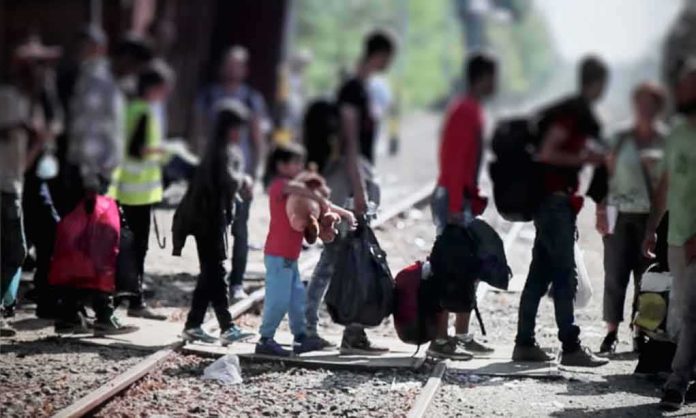
Reuters reported that more than 1,000 migrants began trekking north from Tapachula, Mexico, shortly after Democratic midterm victories in 2022. A Chiapas official estimated the group at about 1,500 people, many traveling as families. One Nicaraguan man, recently deported from the United States, said the results gave him hope that a path might open. The group aimed first for Mexico City to seek protection while moving north and to avoid detention along the route.
Other reports that month placed a separate planned caravan near 2,000 people. Mexican National Guard units later broke up large groups around Tapachula, and local media described stepped-up interceptions and document checks. These crackdowns matched a broader pattern of Mexico tightening immigration controls in its south. Such moves often scatter travelers, slow progress, and leave families exposed to crime and extortion on back roads.
Why The Election Appeared To Matter
DW News featured an analyst who said migrants were hearing claims on social media that U.S. policy would change quickly after the vote. She warned that Congress would not even take office until January, and that rules would not shift overnight. That aligns with Reuters’ note that experts did not expect fast legal changes. The coverage supports that some people felt new hope, but that hope did not equal a new legal doorway.
Fox Business segments framed the results as a “signal” that borders could open. Hosts argued that federal law still controls immigration, and that a party win would not itself relax enforcement. The show quoted a lawmaker saying there had been no instruction to lighten enforcement. Those points push back on the idea that an election result, by itself, changes how migrants are processed at the line or at ports of entry.
How Caravans Form And Why They Persist
Human Rights Watch reported that caravans are a response to danger and checkpoints in southern Mexico. People move in groups to reduce risk of kidnapping, robbery, and abuse. Academic work adds that social media helps spread plans and routes, even without a central leader. This means groups can grow fast after big news events, because information and rumor travel quickly through online networks and messaging apps.
Trump Warns Mexico as Migrant Caravan Moves Toward US Border Following Democrat Midterm Gains: 'There will be no leniency!' https://t.co/oqGiAbQiJX Dem lib has made them believe THEY are the boss!🤣🤣🤡@POTUS @WhiteHouse @seanhannity @JDVance @elonmusk
— mummykins 🇺🇸 (@mummykins11) November 12, 2026
That mix of hope, rumor, and risk fuels a cycle. People hear that policy could ease. They join a group for safety. Mexico steps up enforcement and breaks the group apart. Some keep going anyway. Across the political spectrum, many Americans see this as proof that the federal system is not working. Border communities face strain. Migrants face danger. Voters see leaders talk past each other while the same scenes repeat.
What This Means For The United States Now
The lesson is clear: expectations drive movement, not just laws on paper. When politicians signal change, even loosely, people may move long before any rule shifts. Agencies then manage spikes with the tools they already have. That breeds anger on the right about control and on the left about dignity. It also feeds a broader belief that elites in both parties talk tough but avoid hard fixes that match law, capacity, and human need.
Limits Of The Record
The reporting confirms that a caravan formed, grew, and tied hope to an election. It does not prove that members had legal entry tickets or that they reached the United States. Estimates of the group ranged from about 1,000 to 2,000, which narrows precision. The record points to social media as a driver of plans and rumors, but it does not identify the original sources behind those messages or a central organizer for the group.
Bottom Line
The facts show a real caravan, real hopes linked to an election, and real crackdowns in Mexico. They also show no instant U.S. policy change. That gap between hope and law keeps pulling people into danger and keeps Americans divided. Until leaders match clear, enforced rules with fast, fair legal channels, caravans will keep forming, and trust in Washington will keep falling—on the right and the left.
Sources:
youtube.com, apnews.com, riotimesonline.com, borderreport.com, economictimes.com, link.springer.com, academic.oup.com