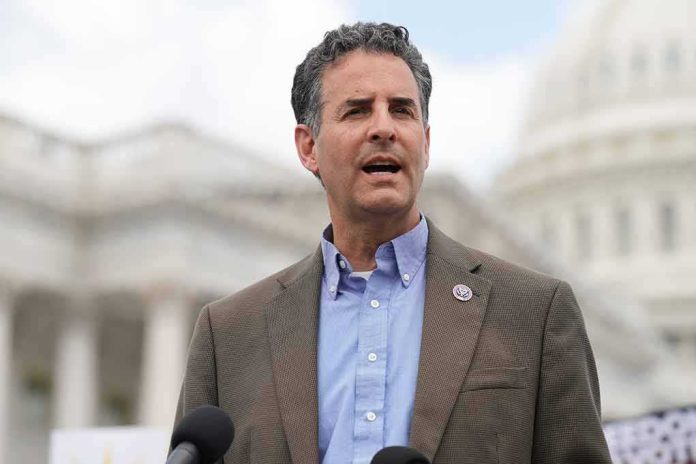
Federal files about a suspected Chinese operative and Rep. Eric Swalwell are back in play, reviving old national security worries and fresh transparency fights.
Story Highlights
- Axios reported Swalwell cut ties with Christine Fang in 2015 after an FBI briefing and shared information with agents.
- The House Ethics Committee reviewed the matter and closed it without action in 2023.
- News outlets say the Federal Bureau of Investigation (FBI) is weighing release of older files tied to the case.
- Both parties cite the episode to press bigger claims about secrecy, political smears, and trust in government.
What Sparked The Renewed Fight Over Old FBI Files
News reports say the FBI located or is weighing release of older case files linked to a suspected Chinese intelligence operative, Christine Fang, and her past contacts with Rep. Eric Swalwell. NBC News reported Swalwell’s lawyers sent a cease-and-desist letter arguing he has never been accused of wrongdoing and that release would be a smear. The clash puts national security records at the center of an election-year debate over fairness, privacy, and public trust in federal law enforcement.
The New York Times reported that the original counterintelligence inquiry focused on Fang, who aided Swalwell’s fundraising efforts years ago. Time magazine said Fang reportedly sought ties with several California politicians and that Swalwell said he cut off contact after federal agents raised concerns. These reports describe suspected influence efforts, not criminal charges, and they show how access, fundraising, and security risks can intersect inside modern American politics.
What Swalwell And Congress Already Said Happened
Axios reported that Swalwell’s office said he provided information to the FBI about Fang and ended ties after a federal briefing in 2015. In 2023, the bipartisan House Ethics Committee examined whether his interactions with Fang violated House rules and then closed the matter without taking action. CNN reported Swalwell said the committee found no wrongdoing after more than two years of review. Multiple outlets have repeated that he was not accused of misconduct.
Politico reported that an FBI official said Swalwell was completely cooperative and under no suspicion of wrongdoing, reinforcing the claim that he acted after the warning and assisted investigators. That said, the renewed focus comes as officials discuss releasing old documents, which raises fresh questions about what the public should see and what should remain private. The record so far relies on media descriptions, not full primary documents made public.
Why This Matters To Readers On Both Left And Right
Many Americans see a pattern: secret files, selective leaks, and political spin. NBC News and Time described the current push as a fight over releasing old records, which both parties can frame as either necessary sunlight or a targeted smear. When agencies and politicians argue over what to release, people suspect the powerful protect themselves while the public stays in the dark. That erodes trust, fuels anger, and widens the belief that the system serves insiders first.
BREAKING: Newly declassified FBI files reportedly reveal evidence that “Fang Fang,” who had suspected ties to Chinese intelligence, compromised then-Rep. Eric Swalwell through “sex, foreign interns and illicit donations,” according to Just the News.
— Patrick Webb (@Patrickwebb) August 17, 2026
At the same time, foreign intelligence services do try to build ties with rising leaders. That risk is real even when no crime is charged. The open question is how the government should warn, document, and disclose such contacts without turning counterintelligence into a weapon. Clear rules for file handling, timelines for declassification, and neutral oversight could help. Until then, expect more fights over selective narratives instead of full records.
The Known Facts And The Gaps
Known facts include Swalwell’s statement through Axios that he cooperated and cut ties after the warning, the Ethics Committee’s decision to take no action, and press accounts that the FBI is considering releasing records. Gaps remain because the public has not seen the full underlying file. That leaves room for dramatic claims from partisans and social media. Readers should focus on on-the-record steps: cooperation in 2015, ethics review closure in 2023, and current file-release talks.
What To Watch Next
Watch whether any primary documents are released with clear context and dates, not just excerpts. Look for who controls the timing and redactions. Note if the House Ethics Committee or the FBI provides process details that match media accounts. Finally, track whether both sides agree on facts or keep trading claims. Real transparency—full documents, explained—would help the country judge conduct, not rumors.
Sources:
justthenews.com, nbcnews.com, washingtonexaminer.com, time.com, hindustantimes.com, en.wikipedia.org, axios.com