

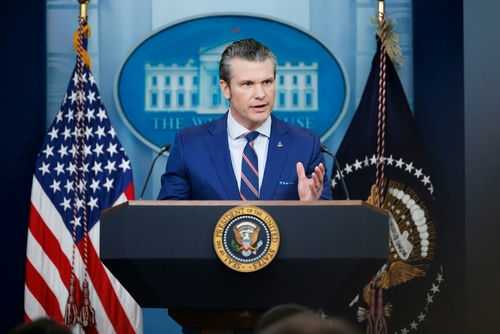
Defense Secretary Pete Hegseth has launched a joint Pentagon–Justice Department task force to hunt down and prosecute leakers who expose sensitive defense information to the media, signaling a major crackdown on insider betrayal.
Story Snapshot
- New joint task force will track and prosecute leaks of sensitive national defense information to the press.
- Pentagon’s Office of General Counsel gains sweeping power to demand records with 48-hour response deadlines.
- Trump administration frames leaks as threats to troops’ lives and national security, not “whistleblowing.”
- Move fits a long pattern of presidents tightening leak enforcement when national security stories hit the headlines.
Hegseth Orders Crackdown on Leaks Inside the Defense Establishment
Defense Secretary Pete Hegseth announced that the Pentagon and the Department of Justice have formed a joint task force to identify and prosecute those who leak sensitive government information to the news media. In a recorded video posted on social media, Hegseth said the Trump administration is dedicating more resources and personnel to track down insiders who pass defense secrets to reporters. He cast the effort as a direct response to recent disclosures about security concerns around President Trump’s new aircraft.
Hegseth described unauthorized disclosures as a serious threat to national security, saying that leaked information “risks lives” and undermines the safety of American service members deployed around the world. He argued that people with access to sensitive defense data hold a special trust and that breaking that trust by leaking to the press is not heroism but betrayal. The joint task force is meant to send a clear message that such betrayal will be investigated aggressively and, when warranted, prosecuted in federal court.
Pentagon Office of General Counsel Given Sweeping Authority
To make this crackdown more than talk, Hegseth has delegated broad investigative authority to the Pentagon’s Office of General Counsel. In his announcement, he said the Office of General Counsel can now request and receive “all information, records, and support” across the department for media leak investigations. He stressed that every component of the War Department must treat these requests as a top priority and that any tasking from the Office of General Counsel must receive a full and complete response within 48 hours.
This 48-hour deadline is designed to prevent foot-dragging and make sure leak probes move fast instead of being buried in bureaucracy. The Department of Justice, working with defense lawyers and investigators, will then decide which cases rise to the level of criminal prosecution and which may be handled through internal discipline. Officials have said that reporters themselves are not the formal targets of the task force; instead, the focus is on government employees and contractors who share classified or otherwise sensitive information without permission.
Protecting Troops While Navigating Press Freedom and History
Supporters of the new task force argue that real national security leaks can reveal military plans, expose intelligence sources, and put American warriors at risk on the battlefield. They point to recent cases where leaked defense documents ended up online and spread worldwide, reminding us that once information leaves secure channels, there is no control over who sees it or how enemies may use it. From this view, tightening enforcement is about defending the lives of troops and preserving the strength of the country, not hiding routine policy debates.
US Defense Secretary Pete Hegseth has launched a joint Pentagon-DOJ taskforce to aggressively prosecute media leaks, warning that those who expose sensitive data will face the 'full force of the law' https://t.co/cbbCVFwhfs
— Vinay Patel (@VinayPBPatel) July 14, 2026
Critics, including some press freedom advocates, warn that aggressive leak crackdowns can clash with the First Amendment and the public’s right to know. They note the history of the Pentagon Papers, where a former Defense Department analyst leaked a secret study of the Vietnam War to major newspapers, and the Supreme Court refused to stop publication on national security grounds. Legal scholars say the key test is whether a disclosure causes likely, imminent, serious harm to national security or instead exposes wrongdoing or sharpens public debate on important issues.
Sources:
military.com, washingtonpost.com, reuters.com, conservativeinstitute.org, scu.edu, wilmerhale.com, cps.gov.uk, archives.gov, britannica.com