Missiles, drones, airport smoke, and dueling claims in Riyadh laid bare how one night’s attack can rattle oil markets and expose the limits of regional defenses.
Story Snapshot
- Houthis said they struck “sensitive sites” in Riyadh and Saudi Aramco facilities in Yanbu.
- Saudi-led coalition said air defenses intercepted a ballistic missile aimed at Riyadh and foiled other attacks.
- Reporters saw black smoke near Riyadh’s main airport around the time of the claims.
- No confirmed damage reports from Saudi officials as verification remained unclear.
What Both Sides Said After Saturday’s Strike Attempt
Yemen’s Houthi movement said it launched missiles and drones at “sensitive sites” in Riyadh and at Saudi Aramco facilities in the port of Yanbu. A Houthi spokesman announced two operations and framed them as a response to recent fighting. The Saudi-led coalition responded that it intercepted a ballistic missile fired toward the capital. Coalition officials also said they thwarted separate attempts to hit Yanbu, Taif, Bish, and Farasan.
Saudi officials and state-aligned outlets said the Riyadh missile was destroyed in the air without causing damage. Associated Press reported there were no casualties and no confirmed damage from the attempted strike. The coalition’s version lines up with past statements in similar incidents, where they cite interceptions and “foiled” attacks after Houthi claims. This pattern keeps the public record focused on launch attempts while proof of impact can lag official statements.
What Independent Reporting Caught On The Ground
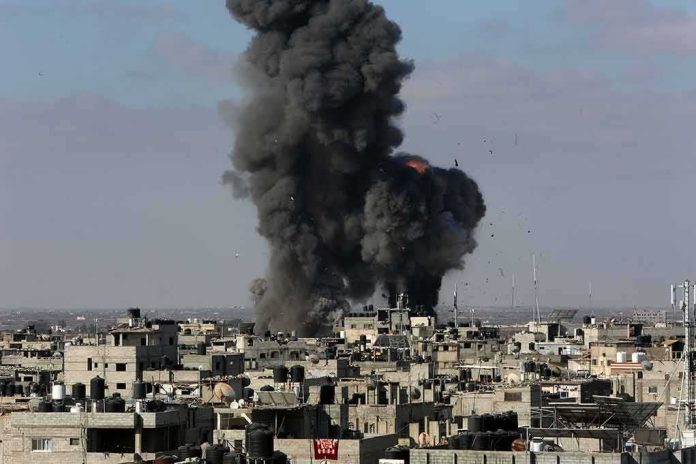
Journalists reported flames and a plume of black smoke near King Khalid International Airport in Riyadh hours before the Houthi announcement. Photographs and broadcast clips showed smoke columns rising near airport fuel areas, though the exact cause was not confirmed by officials at the time. Major outlets ran the visual reports alongside the coalition’s interception claims and the Houthi strike narrative. That coverage highlighted real disruption but left final impact details unresolved.
Moneycontrol noted that the Houthi claim about hits on Riyadh and Yanbu had not been independently verified. Saudi authorities did not confirm that the named sites were struck. This gap between claims and confirmations is common in cross-border exchanges, where debris analysis and facility checks take time. In the meantime, public attention often locks onto the most vivid images, such as airport smoke or emergency alerts, rather than clear damage assessments.
Why This Matters For Security, Energy, And U.S. Interests
Riyadh is the political and travel hub of Saudi Arabia, and Yanbu is a key port for fuel and petrochemicals. Even an attempted strike in these areas can move markets and test defenses that protect global energy flows. The coalition’s interception claim suggests air defenses remain active and layered. The Houthi claim underscores that armed groups can still reach far from Yemen. This duel increases risk to airports, oil sites, and shipping lanes during a tense regional moment.
Houthis Claim Strikes On Riyadh
🗞️ Capital air alerts then all-clear
🗞️ Smoke seen near KKIA fuel area
🗞️ Group also claims Yanbu Aramco hitAlerts in Riyadh. Claims still flying. pic.twitter.com/Tmhwch2O9n
— The Objective Journal (@theobjectivej) September 20, 2026
For Americans, the concern is practical. A hit on Saudi fuel or export facilities can raise prices at the pump within days. A wider fight could also draw in the United States, which has troops, ships, and allies tied to these routes. Readers across the political spectrum often see a pattern: foreign crises spike costs at home while leaders trade statements. Saturday’s events fit that worry. Missiles flew, smoke rose, and the facts filtered out slowly while markets watched.
Sources:
dw.com, reuters.com, bbc.com, theguardian.com