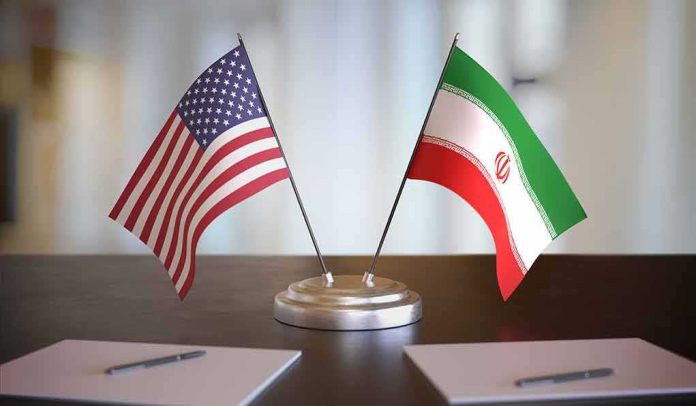
President Trump used the Rose Garden to warn nations trading with Iran that they now face U.S. tariffs and sanctions under a new pressure campaign.
Story Highlights
- The White House named Iran a national-security threat and activated sweeping penalties on buyers of Iranian goods.
- Treasury launched “Operation Economic Outcast” to choke off Tehran’s cash and weapons pipelines.
- Sanctions target oil revenue, weapons parts, cyber operations, and nuclear and missile networks.
- The campaign aims to avoid new wars by using the toughest economic tools first.
White House Order Targets Nations That Fund Iran’s Regime
The White House issued a formal action labeling Iran a threat to U.S. security and authorizing extra tariffs on imports from any country that buys Iranian goods or services. The order cites national security, foreign policy, and economic protection as the basis. The companion fact sheet says the system lets the United States impose more tariffs to deter purchases that fund Tehran. The move shifts costs to those who enable the regime’s revenue streams.
Treasury Secretary Scott Bessent followed President Trump’s direction and began “Operation Economic Outcast.” The effort seeks to isolate Tehran’s finances and punish its facilitators abroad. Officials describe it as an unprecedented campaign. They say it will cut off key cash sources and pressure third-party banks, shippers, and traders that help Iran move oil or money. The rollout came as President Trump warned of consequences for countries that prop up Iran’s economy.
Sanctions Zero In On Oil Money, Weapons Parts, And Illicit Tech
Administration actions hit entities accused of aiding Iran’s oil sales, weapons procurement, cyber operations, and illicit nuclear and missile technology. Reporters detailed steps against networks that help the regime sell oil and buy components for weapons. The goal is to raise the cost of every transaction that fuels Iran’s military aims. State Department records show repeated 2026 sanctions bursts, not a one-off threat.
Officials argue this squeeze can work better than bombs. Bessent said the United States would apply the toughest sanctions in history on the regime. He framed the plan as a way to lower the need for large new military operations against Tehran. That strategy fits a core conservative view: use economic power to defend America while avoiding sending troops into harm’s way whenever possible.
How “Secondary” Pressure Reaches Beyond Iran To Enablers
The plan relies on pressuring third countries that trade with Iran, a practice often called secondary sanctions. Legal scholars note these measures are controversial because they reach into other nations’ economic choices. Supporters say the approach is justified when it targets military-linked trade tied to a real security risk. The administration’s order sets that security frame and gives tariff tools to confront buyers of Iranian goods.
ECONOMIC D-DAY: President Trump is threatening an "economic D-Day" against foreign nations assisting Iran, signaling a strategic shift emphasizing severe financial sanctions over immediate military strikes.
As part of regional posture shifts, the USS Abraham Lincoln has begun… pic.twitter.com/e6Vb10h11n
— Special Report (@SpecialReport) August 20, 2026
Iran’s officials blasted the campaign as “economic terrorism” and claimed it violates sovereignty. They said the measures are unjust and anti-diplomacy. Those statements are public spin from Tehran and do not change the core U.S. case that Iran funds proxy violence and seeks dangerous technology. The administration says the costs must land on enablers, not on American families or troops. It will fall to enforcement and market data to show lasting impact.
What This Means For Americans, Allies, And Adversaries
For Americans, the mission is clear: cut off Tehran’s cash so our people are safer without a new war. The White House says tougher steps now will deter attacks later. For allies, the message is firm but fair: stop buying from Iran or face higher costs in the United States market. For adversaries and middlemen, the window is closing. The record of steady 2026 actions shows this is a campaign, not a headline, and that Washington plans to keep turning the screws.
Accountability, Liberty, And The Road Ahead
Conservatives value peace through strength, the rule of law, and the safety of American families. This strategy tries to match that: use lawful economic power first, target the regime’s war chest, and shield our troops. Critics will push fear about markets and fuel. Supporters will watch for proof that Iran’s revenue and weapons access are shrinking. A fuller declassified record and enforcement data would help measure results and keep this pressure focused and fair.
Sources:
youtube.com, reuters.com, cbsnews.com, whitehouse.gov, cnbc.com, wsj.com