As Iran and the United States trade missiles while leaders hurl insults, Americans are left watching a dangerous Gulf showdown driven by clashing narratives and opaque deal-making instead of clear truth and accountability.
Story Snapshot
- Iran’s Revolutionary Guard says it hit dozens of U.S. military sites in Bahrain and Kuwait in “retaliation” for fresh American strikes.
- U.S., Bahraini, and Kuwaiti officials say air defenses intercepted most missiles and drones and report no serious damage to U.S. bases.
- President Trump has now declared the ceasefire agreement “over” and publicly called Iranians “scum” and “sick people,” hardening the war tone.
- Both sides claim the other broke the Islamabad ceasefire memorandum, but the full text of the deal remains hidden from the public.
Iran’s Claims Of Hitting U.S. Bases In Bahrain And Kuwait
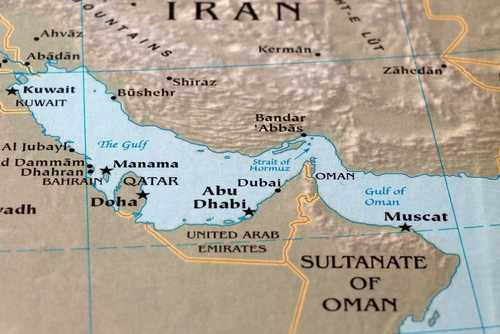
Iran’s Islamic Revolutionary Guard Corps says its naval and air forces launched a joint missile and drone operation against U.S. military sites in Bahrain and Kuwait. Iranian state media reports claim eight important U.S. facilities were destroyed at Ali Al Salem Air Base in Kuwait and at the Fifth Fleet naval base in Port Salman, Bahrain. Tehran frames these strikes as retaliation for fresh U.S. attacks on radar, air defense, and coastal sites in southern Iran after tanker and drone incidents in the Strait of Hormuz.
Iranian officials say their response was triggered when U.S. warplanes hit at least ten military targets in Iran following a drone attack on a tanker carrying millions of barrels of crude oil through the Strait. They accuse Washington of violating a recent ceasefire deal and describe U.S. actions as “outrageous aggression” that forced them to retaliate. In Iranian messaging, the strikes on Bahrain and Kuwait are presented as enforcing the truce’s terms, not starting new aggression, and as proof Iran can threaten U.S. power in the Gulf.
U.S., Bahraini, And Kuwaiti Accounts Paint A Very Different Picture
U.S. Central Command, Kuwait’s army, and Bahrain’s government all dispute Iran’s battlefield story. Kuwait’s military says its air defenses intercepted Iranian drones and two ballistic missiles shortly after U.S. strikes, reporting no injuries and no damage to U.S. installations. Bahrain’s interior ministry describes only minor structural damage to a few buildings and infrastructure, not the destruction of major bases. A U.S. official told Reuters there were no American casualties and no major impact on U.S. facilities from these Iranian attacks.
U.S. Central Command publicly labeled the Iranian actions “aggressive Iranian behavior” and “unwarranted aggression” during an ongoing ceasefire. It has also said in other exchanges that many Iranian missiles “fell short or broke apart” and that waves of drones failed to hit intended targets, while American and partner air defenses intercepted several threats. This pattern matches other rounds in the 2026 war where Iran claims major base destruction, but later assessments from U.S. and local officials report interceptions and only peripheral damage.
Ceasefire Deal In Doubt And Rhetoric Spirals Out Of Control
The back-and-forth strikes sit on top of a fragile interim agreement meant to reopen the Strait of Hormuz and start talks on deeper issues like Iran’s nuclear program. The United States says its latest attacks on Iranian coastal sites came after Iran used drones against commercial tankers, breaking promises to protect shipping. Iran counters that Washington and its partners violated the Islamabad memorandum first and insists its own actions are allowed under the deal. Because the full text of that memorandum is not public, citizens cannot easily judge which side is telling the truth.
🛰 CrawlHub · Frontline · 12h Brief
Jul 08The US launched renewed strikes against Iran tonight, targeting military installations and critical infrastructure in southern Iran, including Bandar Abbas, Sirik, Chabahar, and Bushehr. This escalation follows Iran's reported attacks… pic.twitter.com/0MSikvmTJu
— CrawlHub (@TheCrawlHub) July 8, 2026
President Trump has now told reporters and allies that the accord to end the war is “over” after the new Iranian strikes, and at one point called Iranians “scum” and “sick people.” NATO leaders have backed U.S. claims that strikes on Iran were “absolutely necessary” and said Iran, not Washington, violated the ceasefire. These statements shape global coverage, but they also show how quickly leaders move from cautious diplomacy to name-calling, leaving ordinary people to pay the price for decisions made far from public scrutiny.
What This Fight Reveals About Power, Secrecy, And Ordinary Americans’ Fears
This clash follows a familiar script in Middle East wars: one side announces large numbers of targets hit, while the other reports interceptions and minimal damage. Each government has strong reasons to spin the story. Iran wants to prove it can hit U.S. power in the Gulf and resist Western pressure. U.S. and Gulf leaders want to show their defenses work and keep oil markets calm, even as prices spike on every new missile launch. Neither side rushes to share satellite photos or independent inspections that would let citizens see what really happened.
For Americans watching from home, this feels like more proof that the system serves powerful interests first. Energy companies and Gulf rulers benefit from a story that keeps U.S. forces deployed and sanctions in place. Defense contractors profit as the cycle of strike and counterstrike justifies more weapons and more bases. At the same time, the ceasefire text stays secret, social media feeds boost official talking points, and regular people are asked to trust leaders who seem focused on “finishing the job” rather than ending a war that drains money, fuels inflation, and deepens global anger.
Sources:
thegatewaypundit.com, nypost.com, reuters.com, nytimes.com, aljazeera.com, abcnews.com, scmp.com, facebook.com, centcom.mil