Iran has flooded its own cities with motorcycle patrols, checkpoints and armed units as its government braces for a wave of unrest it may not be able to control.
Story Snapshot
- Security forces stepped up motorcycle patrols and checkpoints across Tehran and other Iranian cities.
- Multiple sources inside Iran told Fox News Digital the buildup coincided with Sacred Defense Week.
- Iran’s Revolutionary Guard Corps has moved to mobilize tens of thousands of motorcyclists under a campaign called “Janfada.”
- The show of force follows months of protests, fuel price hikes, and economic strain since Iran’s summer war.
- Rights groups say the regime has used children as young as 12 and militia units to staff patrols and checkpoints.
Patrols Multiply Across Major Cities
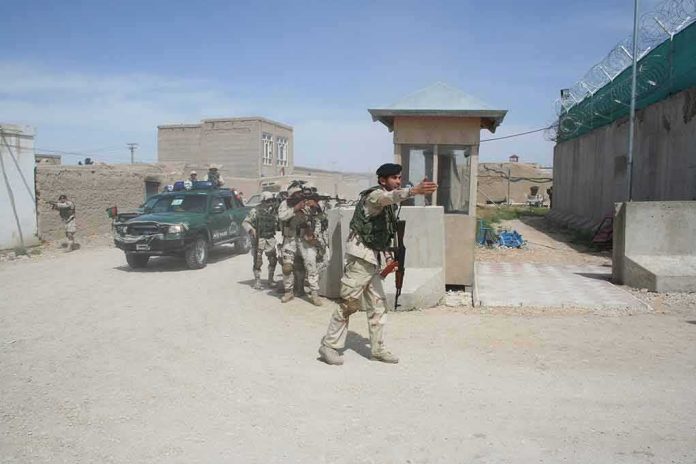
Iranian security forces have stepped up their presence in Tehran and other cities, positioning motorcycle patrols, checkpoints and armed personnel across major urban areas. Multiple sources inside Iran confirmed the buildup to Fox News Digital, describing a coordinated effort tied to Sacred Defense Week, an annual period marking the anniversary of the Iran-Iraq War.
Separate reporting backs up the pattern. The National Council of Resistance of Iran said authorities placed the country’s main military and security forces on maximum alert in late September, deploying tens of thousands of personnel in Tehran alone. That deployment included street patrols, phone searches, expanded detention capacity and anti-riot preparations.
Economic Pain Fuels the Buildup
The security surge lines up with rising gasoline prices that hit Iranian consumers hard. Iran International reported deployments of police, special units and Basij militia forces across Tehran, Mashhad, Shiraz, Karaj, Isfahan, Tabriz and several other cities as fuel costs climbed. Residents described heavily secured filling stations, with special units and Basij members constantly moving through crowded streets.
The Revolutionary Guard Corps is also planning a mass show of force. Reports indicate the Guard intends to mobilize 40,000 motorcyclists through Tehran as part of its expanding “Janfada-ye Iran” campaign, following a related exercise that began in Tehran on September 18, 2026. The scale of the plan signals the regime wants visible dominance of the streets, not just quiet policing.
A System Built on Visibility, Not Just Force
This buildup fits a pattern security analysts have tracked for years. Iran’s internal security system relies on layered, highly visible coercion rather than police alone, mixing Basij militia members, Revolutionary Guard-linked units, checkpoints and neighborhood surveillance. Reuters has described the Guard and Basij together as a security architecture numbering close to a million people, built to deter unrest before it can organize.
Analysts say the value of this network is not only force but omnipresence. The constant presence of patrols and checkpoints sends a signal to residents before any protest even begins. That strategy has held through previous protest waves, including the nationwide demonstrations that spread across all 31 provinces of Iran in past years.
Rights Groups Flag Use of Children and Militias
Human rights researchers have raised alarms about who staffs these patrols. A Revolutionary Guard cultural official announced in March 2026 that the minimum age for intelligence patrols, operational patrols and checkpoint duty had been lowered to 12 years old. Reporting also describes militia units deploying motorcycle patrols of up to 40 vehicles per battalion to maintain street control and stop anti-government slogans from appearing in public.
Residents in Tehran describe the shift in tone as unmistakable. One person likened the capital to a military garrison, pointing to armored vehicles near sensitive areas and blocked routes leading to central neighborhoods. Similar reports describe morality patrols and hijab monitors expanding into cities like Isfahan, Rasht and Mashhad alongside the security buildup.
What This Signals Going Forward
The visible buildup does not by itself confirm unrest is imminent, but it shows Iran’s leadership believes the risk is high enough to justify this level of mobilization. For Americans watching from outside, the pattern reflects a broader concern shared across the political spectrum: governments that respond to economic pain and public frustration with more control rather than reform. Iran’s approach offers a stark contrast most Americans can recognize as a warning sign, not a solution.
Iranian authorities have stepped up security across Tehran and other cities, with motorcycle patrols, checkpoints and forces positioned in major urban areas, multiple sources inside Iran told Fox News Digital.
The buildup comes as university students in Tehran return to the… pic.twitter.com/QmT1BWvPOf
— Fox News World (@FNCGlobalNews) September 29, 2026
Whether this latest mobilization proves to be a temporary precaution or a prelude to a harder crackdown remains to be seen. What is clear from reporting on the ground is that Iran’s government is choosing visible force over dialogue as it faces continued economic strain following its summer war with Israel and the United States.
Sources:
redstate.com, noticias.foxnews.com, ncr-iran.org, us.headtopics.com, iranintl.com, iran-hrm.com, voiceofemirates.com, irannewswire.org, understandingwar.org