Two teens learned the hard way that in a driverless taxi, the car — and the company behind it — might be watching and ready to call the cops.
Story Snapshot
- Waymo staff used interior cameras to spot two 15-year-olds drinking and firing a black toy gun from a driverless car in San Mateo, California.
- The company remotely stopped the robotaxi in a parking lot and kept the teens inside with a fake “mechanical issue” message until police arrived.
- Five officers carried out a high‑risk stop, then found an alcohol container and an Orbeez toy gun painted to look like a real weapon.
- The incident shows how autonomous vehicles can act as rolling surveillance, raising new questions about privacy, teen riders, and corporate power.
What Happened During the Waymo Teen “Joyride”
San Mateo police say two 15‑year‑olds took a driverless Waymo taxi on a Monday afternoon and started drinking alcohol and firing water beads from a toy gun out the windows. Waymo employees were watching the live interior camera feed and thought the gun might be real because of its black color and visible recoil. They saw the teens pass it back and forth and shoot toward other cars. From Waymo’s point of view, this looked like armed, possibly drunk minors inside their vehicle.
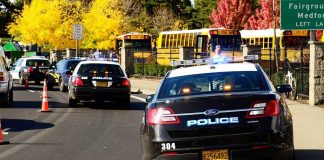
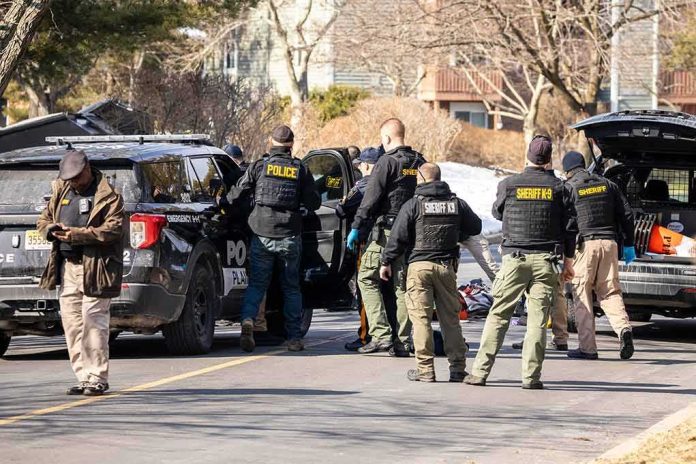
Waymo staff quickly called 911 and told the teens the car was having “mechanical issues” and needed to stop, which was not true. They remotely directed the robotaxi into a shopping center parking lot near a busy road and disabled it so it could not drive away. By the time the car rolled to a stop, five officers and a police dog were already in place and treated the stop as high risk, approaching with weapons drawn because they believed a firearm was inside.
Police Response, Toy Gun, and Teen Consequences
Officers ordered the teens out of the Waymo, detained them, and searched the vehicle. They found an open container of alcohol and an Orbeez-style gel bead gun that had been painted black, making it look more like a real handgun. Police later said the toy had caused damage in a past incident and warned that black-painted toy guns can easily fool bystanders and officers, especially in fast-moving situations. After questioning, officers released both teens to their parents while the district attorney reviews possible charges.
Police and several news outlets praised Waymo’s actions, saying choosing a driverless car over drunk driving likely avoided a more dangerous outcome on the roads. At the same time, Waymo’s own rider rules say no one under 18 may ride alone in California, so allowing the two 15‑year‑olds in the car at all appears to have violated its policy. The company has not publicly explained how the minors booked the ride or why the system failed to block it. Waymo also has not issued a detailed statement about the incident, leaving its exact decision process unclear.
Robotaxis as “Cars That Watch You”
Waymo’s published policies say the company can access live interior video in “urgent” or safety situations and share that data with police. In this case, the robotaxi acted almost like a mobile security camera that reported the teens, stopped itself, and held them for law enforcement. Legal scholars warn that autonomous vehicles already gather location, audio, and video data on children, building “digital dossiers” of their daily lives without real parental consent or easy ways to opt out. This event fits that concern in a very visible way.
Waymo stops driverless car, traps teens shooting toy gun in San Mateo https://t.co/RXKZt7gS7Q via @YouTube
— Deborah Toppings (@karas13133) July 9, 2026
Law enforcement training materials now treat autonomous cars as new tools and new challenges, from how to stop a vehicle with no driver to how to use onboard data in investigations. Supporters point out that self‑driving vehicles can reduce crashes and drunk driving and say quick reporting of dangerous behavior is part of that safety mission. But many Americans on both the left and the right already worry that big companies and the government watch ordinary people too closely, while doing too little about deeper problems like rising costs and shrinking opportunity.
Shared Concerns: Safety, Privacy, and Corporate Power
For conservative readers, this story may look like another sign of rule-breaking teens, painted toy guns, and lax parenting, plus a rare case where technology might have stopped impaired driving before someone got hurt. For liberal readers, it may raise alarms about underage riders, harsh police responses, and the growing gap between powerful tech firms and families who have little say in how they are monitored. Both sides can see one clear issue: an unelected company quietly watched kids and delivered them into a serious police encounter.
The deeper question is where we draw the line. Most people agree that drunk kids firing anything that looks like a gun from a moving car is dangerous. At the same time, many Americans are uneasy with a future where every ride is recorded, analyzed, and possibly reported, especially when minors are involved and company policies can be broken without notice. As autonomous vehicles spread, stories like this will force communities to decide how much safety they want from “cars that watch” and how much privacy and freedom they are willing to give up to get it.
Sources:
facebook.com, police1.com, latimes.com, apnews.com, ktvu.com, instagram.com, lawreview.uchicago.edu, pmc.ncbi.nlm.nih.gov