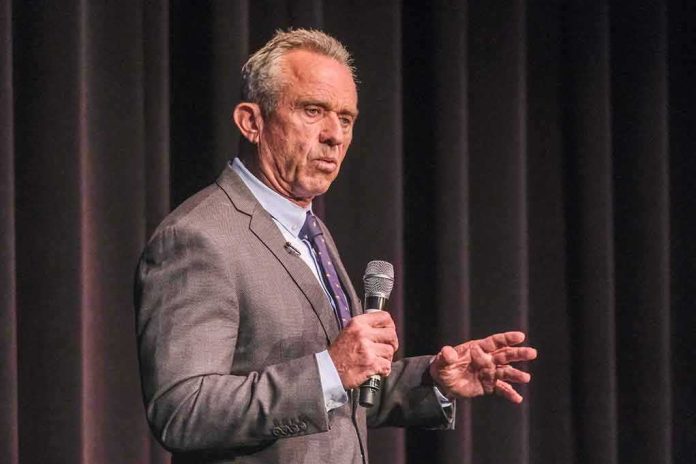
Cabinet sparring spilled into public view as Secretary of State Marco Rubio blasted Health Secretary Robert F. Kennedy Jr.’s meat-and-sauerkraut diet as “crazy” and “not sustainable.”
Story Snapshot
- Marco Rubio mocked Robert F. Kennedy Jr.’s meat-and-sauerkraut regimen as unrealistic for real life travel.
- Rubio said he will not “travel the world with a cooler full of sauerkraut,” highlighting logistics.
- Kennedy has described his own carnivore-style approach built on meat and fermented foods.
- Nutrition coverage questions the long-term health and sustainability of a strict carnivore plan.
Rubio’s On-Air Jab Frames a Real-World Test: Can a Top Official Keep Such a Diet?
Marco Rubio used a friendly podcast to draw a sharp contrast. Rubio called Robert F. Kennedy Jr.’s diet “crazy” and “not sustainable,” pointing to its meat-and-sauerkraut base and the challenge of eating that way on the road. He joked he would not “travel the world with a cooler full of sauerkraut,” turning a quip into a practical point about life in government service. The clip spread fast because it mixed humor with a common-sense question: can anyone keep this up?
Rubio’s point hit a nerve for many travelers and working families. People juggle airports, hotels, kids’ sports, and long workdays. A plan that needs special packing or niche foods often fails outside a home kitchen. Jeanette Rubio chimed in on the podcast, saying Kennedy brings coolers of sauerkraut, which fit Marco Rubio’s argument about logistics. That detail underscored the gap between a personal regimen and what most Americans can manage day to day.
Kennedy’s Stated Diet: Meat, Fermented Foods, and Less Ultra-Processed Fare
Robert F. Kennedy Jr. has said he follows a carnivore-style approach that centers on meat and fermented foods, and he claims to keep it going all day, every day. He has pitched a broader message that urges whole foods and cuts back on added sugar and ultra-processed products, themes that many families support in principle. He has also talked about intermittent fasting windows in past interviews, showing he treats diet as a discipline more than a casual habit.
Policy coverage has tracked Kennedy’s push to steer Americans toward fewer processed items and more protein. The promise is simple rules and shorter guidance documents. The question is how that message comes across when the messenger lives on a narrow plate himself. Supporters see focus and grit. Skeptics see a plan that is hard to copy in school cafeterias, on job sites, and during travel. The friction grows when the public face looks extreme compared to everyday needs.
What Experts Say About Sustainability and Health Risks
Independent nutrition reporting raises flags about strict carnivore plans. Dietitians say these regimens are very restrictive, can miss key nutrients, and are hard to sustain over time. They warn that long-term claims lack strong research support. That expert view lines up with Rubio’s “not sustainable” critique, even if his tone was light. The core medical point remains: very narrow diets can work for a few, but they often break under real life pressure.
Marco Rubio takes a swipe at RFK Jr.’s ‘crazy’ diet: ‘I’m not gonna travel the world with Sauerkraut’https://t.co/7lcRKaVtaF
— Mint (@livemint) August 13, 2026
For conservative readers, the practical test matters more than buzz. Families want clear, doable advice, not elite rules that require coolers and special stock. Rubio’s crack landed because it felt like common sense from someone who travels for the job. Kennedy’s focus on whole foods may help cut sugar and junk. But a Cabinet-level model that most citizens cannot follow risks turning health policy into a brand, not a service to the public.
Sources:
facebook.com, usatoday.com, x.com, theguardian.com, okmagazine.com, cnbc.com