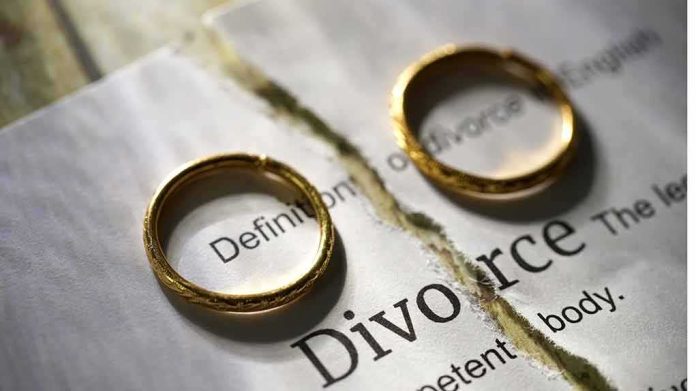
A sensational claim that Kristi Noem has secretly filed for divorce over her husband’s cross‑dressing taps straight into America’s growing crisis of trust in both media and government.
Story Snapshot
- Online outlets claim Kristi Noem has filed for divorce from her husband over his cross‑dressing and fetish activity, citing her mother as the source.
- Public records and major news reports so far show scandal and family strain, but no documented divorce filing.
- The Bryon Noem “bimbofication” scandal and earlier affair accusations against Kristi Noem have become weapons in a broader political media war.
- Researchers say false or distorted political stories like these can tear apart families and deepen the sense that elites live by different rules.
What We Actually Know About the Noem Marriage Scandals
Recent viral stories claim former Homeland Security Secretary Kristi Noem has filed for divorce from her husband, Bryon, because of his cross-dressing and online fetish life. These claims trace back to partisan sites that say Noem’s mother is their source, but they do not point to any court documents or official statements that confirm a divorce filing. At the same time, mainstream outlets have reported in detail on Bryon’s secret online activities and the impact on the family, but stop short of saying the marriage is ending.
Earlier this year, the Daily Mail published an investigation showing Bryon Noem in hundreds of photos and videos dressed in women’s clothing, with balloon “breasts,” while participating in online fetish forums under a pseudonym. The report said he spent tens of thousands of dollars chatting with models in a niche “bimbofication” scene that celebrates exaggerated, hypersexual looks. People magazine and other outlets picked up the story and added that Bryon did not deny sharing these images or engaging in explicit chats, which pushed the couple’s private life into a global spotlight.
Noem’s Response and Ongoing Political Pressure
After the cross-dressing report broke, Noem’s representatives told the New York Post that she was “devastated” and that the family had been blindsided by the revelations about Bryon’s double life. They asked for privacy and prayers, a standard move for public figures caught in painful personal storms. At the same time, Noem was already under fire over long-running rumors that she had an affair with political adviser Corey Lewandowski, allegations she has strongly denied but that have been raised in hearings and media coverage of her time in office. Pressure over these stories reportedly contributed to her departure from the Department of Homeland Security, tying her family drama directly to Washington power struggles.
Coverage of Bryon’s choices and the affair rumors quickly became fodder for partisan commentators. Some right-leaning voices framed Bryon as “humiliated” by an alleged relationship between Noem and her adviser. Other outlets focused on why Bryon stayed in the marriage despite both the scandal and the rumors. One report said he chose not to file for divorce because of his Christian beliefs and the promises he made when they married. That same report noted he had to sit through legal questioning about his wife’s alleged relationship with Lewandowski, suggesting deep personal strain even as he formally remained committed to the marriage.
Misinformation, Family Breakdown, and Public Distrust
Political misinformation has become a major force in American life, and researchers now link it directly to broken relationships. A study from the University of Illinois found that false or distorted political information was a key reason for some recent divorces and breakups in the United States. People who fall into conspiracy communities can start living in what one expert calls “alternate, fictional realities” that make it hard for spouses or relatives to stay connected. In that climate, unverified but emotionally charged stories about a figure like Noem spread quickly, even when hard evidence is thin.
Other research on conspiracy beliefs shows that people drawn into these networks often share extreme or sensational content to gain status or push a cause. One Harvard-based study found that a notable share of users openly admit to sharing political information they know is false. These patterns help explain why a claim about a secret divorce, built on one contested source and no public records, can still explode across social media. The story fits into existing anger about “elites,” gender and sexuality norms, and the belief that powerful people hide the truth until they are caught.
Why Stories Like This Resonate Across Left and Right
For many conservatives, the Bryon Noem scandal feeds a sense that the country’s leaders talk about “family values” but do not live by them. They see a former governor and cabinet official linked to both a fetish scandal and affair accusations while regular Americans struggle with rising prices, weak job security, and culture fights they never asked for. For many liberals, the story underscores how politically connected figures can rely on spin and friendly outlets while average people face harsh consequences for much smaller personal mistakes.
BREAKING: Kristi Noem starts divorce after husband's fetish scandal exposed
Kristi Noem's disastrous year just got even worse. The former Homeland Security Secretary is divorcing her husband Bryon after 34 years of marriage, months after his bizarre fetish scandal exploded pic.twitter.com/wQ4ASszRoy
— The USA Startup (@theusastartup) July 10, 2026
Across the spectrum, the pattern looks familiar: deeply personal allegations, often sexual, get turned into weapons in a wider war for clicks, ratings, and power. Strong claims are made on thin evidence, then echoed by partisan accounts that rarely pause to verify court filings or independent sources. At the same time, serious issues that touch everyone — housing costs, medical bills, wages, and the basic fairness of the system — get pushed aside. For readers who feel the federal government has been captured by a self-protecting elite, the Noem saga is less about one couple’s pain and more about a media and political machine that thrives on scandal while real problems go unsolved.
Sources:
pbs.org, en.wikipedia.org, americanoversight.org, law.justia.com, supremecourt.gov, sdpb.org, youtube.com, theatlantic.com