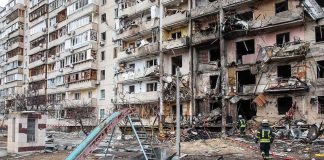
Four Americans were among six people killed when a suspected gas-linked explosion leveled a building steps from Athens’ Acropolis, exposing safety gaps in a busy tourist hub.
Story Highlights
- Six people died after an explosion collapsed a two-story building in Athens’ Plaka district
- Athens’ mayor said the blast was likely tied to gas infrastructure; a full probe is underway
- The U.S. State Department confirmed four American victims of the gas explosion
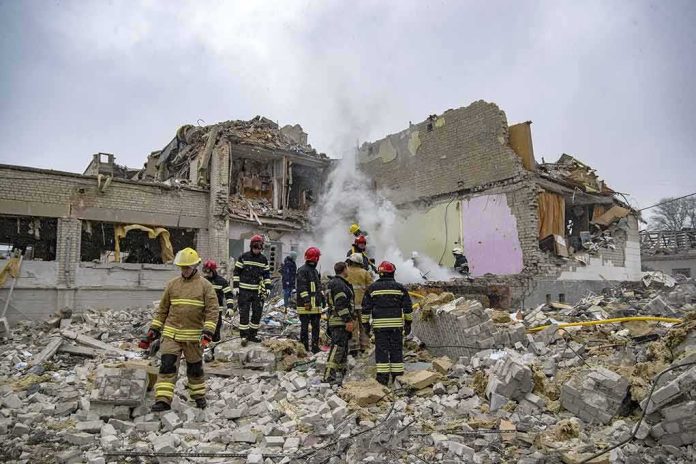
- Rescuers used dogs, cameras, and sensors to recover bodies amid widespread damage
What Officials Confirmed So Far
Greek fire officials said six people died after an explosion brought down a two-story residential building in Plaka, a tourist area near the Acropolis. Athens’ mayor linked the blast to gas infrastructure, based on early indications. Rescue teams in helmets used dogs, cameras, and sensors to search the rubble and recover bodies. Debris damaged nearby homes, shops, and cars across the historic neighborhood. Authorities opened a formal investigation into the cause and scope of the failure.
United States officials said four Americans were among the dead. A United States State Department spokesperson confirmed their deaths and said they resulted from a gas explosion. United States diplomatic staff in Athens have been in contact with local authorities. They are working to support the families and to confirm identities through the proper channels. Greek and city officials have not yet released all the names, pending next-of-kin notification and forensic steps.
How the Blast Rocked a Historic District
The explosion hit Plaka, one of Athens’ most visited areas, where narrow streets and old buildings sit close together. The shock wave rattled windows and sent debris into nearby lanes. Tourists and staff from local shops rushed away as firefighters cordoned off streets. First responders evacuated adjacent buildings as a precaution. Early updates from Friday into Saturday tracked a rising casualty count as crews moved from rescue to recovery phases in the collapse zone near key landmarks.
Early disaster reporting often identifies a likely cause, then waits for full forensic work. In major cities with older buildings and mixed-use blocks, gas-related explosions are a frequent initial hypothesis. Fire services, utility companies, and structural engineers must still verify what failed, where gas may have pooled, and why ignition occurred. That process can take days or weeks. In Athens, officials described a suspected gas link while still stressing that the investigation continues.
Why This Matters for Travelers and Cities
The deaths strike a nerve because they involve tourists in a core heritage zone. Visitors book short-term rentals in old structures that may have modern appliances tied to aging lines. City leaders worldwide face the same challenge: keep historic areas vibrant but safe. Clear rules for inspections, sensor alarms, and emergency shutoffs can reduce risk. Athens’ response will likely include infrastructure checks and steps to improve coordination with building owners and rental operators.
Four American tourists among 6 killed yesterday after a suspected gas explosion leveled a building in Athens’ Plaka district, at the foot of the Acropolis.
Two couples were staying in a short term rental and due to fly home Friday.
Prayers for the families.
Such a tragedy and… pic.twitter.com/Gxe0Ww3e62— Gina Beana Fofina (@Ginasassyass) September 27, 2026
The scene also echoes broader worries about basic services. People on the left and right complain that systems meant to protect families often fail at the worst time. They see public officials slow to fix known hazards and faster to talk than to act. After a blast like this, residents want proof that leaders will inspect lines, enforce safety codes, and hold parties accountable if negligence appears. Transparent updates and a public timeline can help rebuild trust.
What Comes Next in the Investigation
Greek authorities will map the blast center, test debris for burn patterns, and trace the gas path. Investigators will examine meters, valves, connectors, and appliances for defects. Engineers will model the collapse to see how the force moved through thick masonry walls. Utility data, witness accounts, and camera footage will support the timeline. Officials say those steps will inform any legal or civil action and future safety orders for the district and beyond.
Sources:
thegatewaypundit.com, reuters.com, internazionale.it, www-cdn.abcnews.com, cbsnews.com