The most chilling detail in the Washington Hilton attack wasn’t the gunfire—it was the 8:03 p.m. mirror selfie that looks like a rehearsal photo.
Quick Take
- Federal prosecutors say Cole Tomas Allen planned ahead, booked the hotel after Trump announced he’d attend, and arrived with multiple weapons.
- A DOJ filing showcased a hotel-room photo taken minutes after the president entered the WHCA dinner ballroom.
- Secret Service stopped Allen at a terrace-level checkpoint above the ballroom; Trump and attendees were not harmed.
- The case now turns on pretrial detention, digital evidence, and whether the timeline proves intent beyond reasonable doubt.
The DOJ Photo That Reframed the Whole Case
Prosecutors didn’t lead with a manifesto or a political rant; they led with a picture. The Justice Department’s detention filing describes a mirror selfie taken inside Allen’s Washington Hilton room at 8:03 p.m., showing gear that investigators say matches what officers later recovered—an image timed like a starting pistol. For a jury, that photo can operate like a calendar entry: not panic, not improvisation, but preparation.
The photo matters because it lands between two fixed points in the night’s timeline. President Trump and the First Lady entered the White House Correspondents’ Association dinner ballroom around 8:00 p.m. About 37 minutes later, authorities say Allen rushed a security checkpoint on the terrace level, above the ballroom, carrying a long gun. That gap—tight, deliberate, and measurable—lets prosecutors argue he moved from staging to action.
How a Black-Tie Institution Became a Hard Target Overnight
The WHCA dinner sells itself as tradition: journalism, politicians, and celebrities in a single room, a ritual that’s endured since the 1920s. The Washington Hilton is no stranger to presidential security, which is why this plot feels so unnerving. Hotels are public-facing by design. Elevators, corridors, service doors, and event floors create countless seams. When the suspect is also a registered guest, proximity stops being suspicious and starts being strategic.
Authorities say Allen reserved his room for April 24–26 after Trump publicly announced on March 2 that he would attend. That sequence matters. Booking early locks in location; booking after the announcement ties the reservation to a specific target opportunity. Prosecutors also say he traveled cross-country by train, a detail that reads like patience, not impulse. The public is left without a stated motive so far, but the logistics tell their own story.
The 8:40 p.m. Breach Attempt and the Secret Service Response
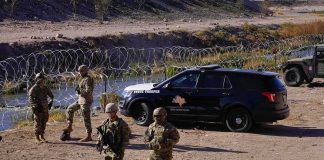
The confrontation unfolded at roughly 8:40 p.m. on the terrace level security checkpoint, with Allen allegedly rushing the screening area with a long gun. Reports describe an exchange of gunfire with Secret Service and a rapid takedown. The only reported injury was a minor scrape to Allen’s knee. That’s the headline the public should sit with: in a confined indoor venue, where stray rounds can turn into tragedy fast, disciplined security procedures kept the harm from spreading.
From a practical security standpoint, the “above the ballroom” detail is the quiet alarm bell. Multi-level venues create vertical risk, and most civilians don’t think about how quickly a person can move from an upper corridor to a choke point overlooking a crowd. The Secret Service doesn’t get to choose the geometry of the building; it has to dominate it. This incident reads like a case study in why layered checkpoints and quick engagement rules exist.
Why Prosecutors Want Him Held Without Bail
The government’s push to keep Allen jailed pretrial rests on two claims: danger and flight risk. The alleged loadout described in court filings—shotgun, pistol, knives, and tools—supports the danger argument with brute force. The travel path supports the flight argument with common sense: someone who can plan a multi-state trip, book a room, and arrive with weapons has already shown the ability to relocate and prepare. Bail isn’t a reward; it’s a risk calculation.
American conservatives tend to judge these moments through a straightforward lens: the state’s first duty is public safety, and political violence is poison no matter who the target is. On the facts presented, prosecutors appear to have a strong case for detention because the alleged conduct wasn’t a bar fight gone wrong; it was a timed approach at a protected event. The defense will get its day, but detention hearings aren’t popularity contests—they’re hazard assessments.
The Open Question: Motive, Digital Evidence, and What Comes Next
Authorities say investigators seized devices from the hotel and from a California location tied to Allen, and they’re working through what those devices reveal about planning, communications, and intent. That’s where the case can either harden or get complicated. A photo and a timeline point toward premeditation, but federal prosecutors typically want corroboration: searches, messages, maps, drafts, or contacts that show the “why,” the “how,” and whether anyone else helped.
Trump also posted security video to social media, a reminder that modern cases don’t unfold only in court. They unfold in public, in clips and captions, with political narratives competing for oxygen. Conservatives should resist the temptation to fill gaps with speculation while still demanding the obvious: clear answers, swift prosecution, and security reforms that don’t punish lawful Americans. The safest society is the one that targets criminals precisely and early—before a staged photo becomes a finished act.
The larger consequence may land on venues and event planners more than on politicians. A luxury hotel hosting an elite dinner now has to think like a hardened facility, because attackers have learned what the public learned in 2024 and again here: the target is not just the person, but the moment. The DOJ photo freezes that moment at 8:03 p.m.—proof, if the allegations hold, that modern political violence can wear the mask of an ordinary hotel guest until the last possible minute.