
A controversial GOP proposal to use 18th-century tactics against modern drug cartels raises eyebrows and constitutional questions.
Story Overview
- House Republicans propose using “letters of marque” to combat drug smuggling.
- The plan would authorize private armed vessels to target drug traffickers in the Caribbean and Eastern Pacific.
- Supporters argue this would strengthen U.S. counter-narcotics efforts beyond the current capabilities of the Navy and Coast Guard.
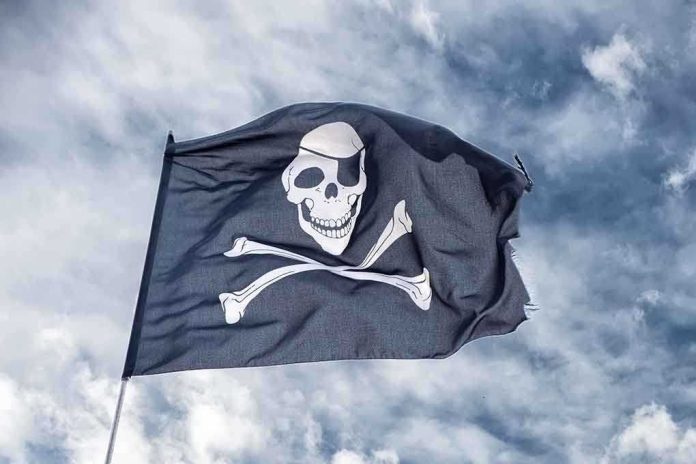
- Critics warn of potential legal and diplomatic repercussions, likening the move to legalized piracy.
Legislative Proposal to Combat Drug Smuggling
In a move that echoes the maritime practices of centuries past, House Republicans have introduced legislation to issue “letters of marque and reprisal” to private armed vessels. These vessels would be authorized to interdict, capture, or destroy ships suspected of drug trafficking in the Caribbean Sea and Eastern Pacific. The “Naval Anti-Drug Cartel Act,” spearheaded by Representative Lance Gooden, aims to augment the overstretched resources of the U.S. Navy and Coast Guard, which have struggled to keep pace with the sophisticated trafficking methods employed by modern drug cartels.
The proposal allows private vessels, under U.S. commission, to operate similarly to historical privateers, thereby expanding the nation’s maritime interdiction capabilities. Supporters view this as a necessary force-multiplier in the face of rampant drug smuggling, which often involves elusive “go-fast” boats and semi-submersibles that evade traditional military patrols.
Historical Context and Legal Considerations
The concept of letters of marque dates back to the late 18th and early 19th centuries, when they were used to empower private ship owners to attack enemy vessels legally. Although the practice fell out of favor following the Declaration of Paris in 1856, which major powers signed to renounce privateering, the U.S. Constitution still allows Congress to issue such letters. However, this raises significant legal questions in the context of modern international law and bilateral maritime agreements, which emphasize state control over the use of force at sea.
Critics argue that deputizing private vessels could lead to jurisdictional and diplomatic conflicts, especially in regions where U.S. authority may be contested. There are also concerns about accountability and potential human rights abuses, as private armed actors might not adhere to the same standards as U.S. military forces.
Potential Implications and Stakeholder Reactions
Should the proposal advance beyond the legislative stage, it could redefine how the U.S. enforces its drug interdiction efforts at sea. While the initiative could bolster interdiction capacity, it poses significant challenges related to coordination with existing military operations and adherence to international norms. The move has sparked debate among legal scholars, security experts, and international law organizations, who caution against the risks of escalating maritime conflicts and setting a precedent for privatized military action.
Furthermore, the potential for diplomatic friction with Caribbean and Latin American nations is substantial, as these countries may view the presence of U.S.-licensed privateers in their waters as an infringement of sovereignty. The proposal’s success depends on careful execution and international cooperation to ensure it does not undermine existing counter-narcotics frameworks or exacerbate regional tensions.
Sources:
Senate Republicans block Schiff effort