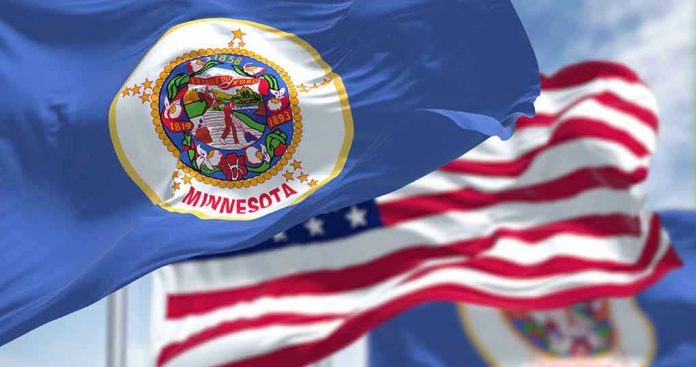
A massive federal operation targets Minneapolis as 2,000 agents arrive to tackle immigration and fraud, testing local resilience.
Story Highlights
- 2,000 federal agents deployed to Minneapolis for immigration crackdown.
- Operation targets deportations and fraud probes amid local scandals.
- Massive scale deployment mirrors Arizona’s entire HSI workforce.
- Tensions rise as federal actions conflict with state positions.
Federal Agents Descend on Minneapolis
In a move that underscores the Trump administration’s hardline stance on immigration, 2,000 federal agents have been deployed to Minneapolis. This unprecedented operation, involving Immigration and Customs Enforcement (ICE) and Homeland Security Investigations (HSI), aims to execute deportations and investigate fraud in federal programs. This surge, the largest of its kind under President Trump’s leadership in 2026, is a direct response to scandals in programs like Feeding Our Future, which have seen billions in losses.
The operation began in early January, with hundreds of agents from various federal departments, including ICE Enforcement and Removal Operations (ERO) and U.S. Border Patrol, converging on the Twin Cities. Commander Gregory Bovino leads this effort, which builds on Operation Metro Surge initiated late last year. This scale of deployment mirrors the HSI workforce of an entire state, marking Minneapolis as a new focal point for federal immigration enforcement.
Local Tensions and Federal Justifications
As federal agents intensify operations, local tensions rise, particularly within the Somali-American community in Minneapolis. State officials, including Governor Tim Walz, have pushed back against the federal narrative of pervasive fraud, highlighting audits and preventive measures taken by Minnesota. However, the federal government remains firm in its approach, citing national security and fiscal accountability as primary motivations.
The deployment has sparked protests and fears among immigrant communities, with community groups like CAIR-Minnesota expressing concerns over stigma and discrimination. The federal response, however, emphasizes the need to address serious criminal activities, with DHS Assistant Secretary Tricia McLaughlin stating that over 1,000 arrests have been made of high-risk individuals, including those involved in violent crimes.
Implications and Future Outlook
The short-term implications of this operation include heightened fear and disruption within immigrant neighborhoods, alongside potential mass deportations. Long-term, the operation may lead to significant political and social realignments, particularly as it tests the boundaries of state versus federal jurisdiction. The freezing of $185 million in child care funds by DHS further complicates matters, affecting families and businesses reliant on this aid.
As this 30-day operation unfolds, the broader implications for urban immigration policy and federal-state relations continue to emerge. The situation in Minneapolis could set a precedent for similar future operations, reflecting the administration’s commitment to stringent immigration enforcement amid ongoing political debates.
Sources:
2,000 federal agents deploying to Minneapolis in immigration crackdown
TRT World Report on Federal Agents Deployment
MPR News on Ongoing Federal Operations