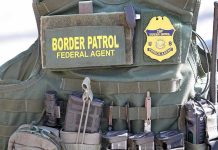

Federal immigration enforcement operations in Minneapolis have sparked a constitutional showdown as Minnesota officials fight back against what they call an unlawful deployment of thousands of armed federal agents that has terrorized communities and drained millions from local law enforcement budgets.
Story Snapshot
- Operation Metro Surge deployed thousands of DHS agents to Minneapolis in December 2025, triggering a federal lawsuit from Minnesota’s Attorney General
- Minneapolis Police racked up over $2 million in overtime costs in just four days responding to incidents related to federal operations
- Local businesses report revenue drops of 50-80% as schools lock down and communities live in fear of aggressive enforcement tactics
- A fatal shooting by a DHS agent and allegations of constitutional violations have intensified the legal battle over federal overreach
Federal Operation Triggers Constitutional Crisis
The Trump administration launched Operation Metro Surge in December 2025, deploying thousands of armed Department of Homeland Security agents into Minneapolis and Saint Paul for immigration enforcement. Minnesota Attorney General Keith Ellison responded in February 2026 by filing a federal lawsuit alleging violations of the Tenth Amendment, the Administrative Procedure Act, and constitutional protections against excessive force. The lawsuit challenges what Ellison describes as “thousands of armed, masked, and poorly trained federal agents” conducting operations that have resulted in racial profiling, harassment, and assaults on Minnesota residents.
Enforcement Operations Leave Trail of Disruption
The federal presence has created chaos throughout the Twin Cities. Between January 8-11 alone, Minneapolis Police officers worked more than 3,000 hours of overtime, costing taxpayers over $2 million as they responded to residents unsure whether DHS apprehensions were lawful enforcement or kidnappings. Schools implemented lockdowns, businesses shuttered their doors out of fear, and customer-facing establishments reported revenue plummeting by 50-80%. On January 7, 2026, a DHS agent shot and killed Renee Good during enforcement operations, adding a fatal dimension to community concerns about aggressive federal tactics.
Local Officials Fight Federal Commandeering
Minneapolis Mayor Jacob Frey joined the legal challenge, stating that when federal actions undermine public safety and violate constitutional rights, local officials have a responsibility to act. The lawsuit documents specific allegations including DHS agents using force against individuals engaged in constitutionally protected speech, arresting innocent bystanders, pointing firearms at non-threatening individuals, and conducting enforcement at sensitive locations including schools, churches, and hospitals. These claims raise serious questions about federal overreach and the proper balance between immigration enforcement and respect for constitutional limitations on government power.
Drug Trafficking Context Complicates Narrative
While the operation unfolds in Minneapolis, the broader region faces documented drug trafficking challenges. DEA seizures in 2025 across Colorado, Utah, Montana, and Wyoming totaled 8.7 million fentanyl pills and nearly 3,100 pounds of methamphetamine, primarily traced to the Sinaloa and Jalisco New Generation cartels. DEA Special Agent David Olesky called the numbers “absolutely staggering” and “a wake-up call” for the four-state region. However, these drug interdiction efforts operate under separate federal authority from immigration enforcement, and available evidence does not establish Minneapolis as a designated fentanyl hub or document thousands of ICE arrests in the city.
Federalism Battle Tests Limits of Government Power
This confrontation represents more than immigration policy disagreement—it tests fundamental constitutional principles about federalism and the limits of federal power. The lawsuit invokes the Tenth Amendment, which reserves to states all powers not explicitly granted to the federal government, arguing that Operation Metro Surge effectively commandeers state resources and violates state sovereignty. For Americans concerned about government overreach and constitutional protections, this case raises critical questions: Can the federal government deploy thousands of agents into cities over local objections? Where does legitimate federal enforcement authority end and unconstitutional commandeering begin? These questions demand answers that will shape federal-state relations for years to come.
Sources:
Border in Your Backyard: Mexican Cartels Fuel Record Fentanyl, Meth Busts in Rocky Mountain States
Minnesota Attorney General Files Federal Lawsuit Against DHS
Newsom on Trump Immigration and Drug Enforcement